

Setting the Stage for Deeper Relationships
Picture this: you walk into your local coffee shop, the one you’ve been going to for months, maybe years. You expect to be greeted, place your usual order, and walk out in the same routine you’ve become accustomed to. Instead, you’re met with a warm, personalized thank-you from the barista, who also hands you a free beverage voucher because you referred a friend last week. Suddenly, you’re not just a customer—you’re an integral part of the coffee shop’s story. You feel recognized, appreciated, and more emotionally attached to the brand. This illustration perfectly captures the power that a referral program can have in shaping and strengthening the bonds between businesses and their customers.
In an age where brand loyalty can be fleeting and consumers are inundated with infinite choices, a genuine relationship between a business and its customer stands out. This is where a referral program becomes more than just a promotional instrument; it becomes a gateway to deeper engagement, consistent interaction, and shared growth. While many companies see a referral program as purely transactional—“Bring us a new customer, and we’ll give you a discount”—the most successful implementations go beyond that. They embed gratitude, personalization, and trust into every interaction, ensuring that participants feel like valued members of a growing community.
Understanding the Referral Program in Modern Marketing
The concept of a referral program is as old as commerce itself. Word-of-mouth has always been a driving force behind successful businesses, but modern marketing has polished and systematized the process. A referral program is not just about getting more customers; it’s about weaving referrals into an ongoing strategy for relationship-building. Instead of throwing one-off discounts or sporadic incentives at consumers, companies can create consistent, structured ways to encourage, track, and reward referrals that bring in new business.
The magic of a referral program lies in its capacity to turn satisfied customers into loyal brand advocates. Loyal advocates don’t just buy more products; they speak your praises, share their positive experiences with others, and become part of your brand’s narrative. Through the power of social media, email, and other digital channels, these advocates can reach a broader audience than ever before. When someone trusts a brand enough to recommend it to a friend, that recommendation carries considerably more weight than any advertisement could. People want personal assurances that a product, service, or experience is worth their time and money. A referral is exactly that: a personal assurance rooted in genuine experience.
A Brief Historical Perspective on Referral Strategies
Though the term referral program is now used freely in modern business discourse, the idea predates digital marketing, influencer endorsements, and other contemporary tactics. Looking back, word-of-mouth recommendations fueled early commerce across communities. If one farmer was known for his quality produce, townspeople recommended him to travelers and visiting relatives. Over time, as trade routes expanded and new methods of commerce emerged, savvy businesses realized they could formalize these recommendations into a referral program.
- Early Brick-and-Mortar Referrals: Small stores offered referral discounts to customers who brought in family or friends. Sometimes, a handshake agreement or a simple “mention my name at the store” approach worked wonders to bring in new clientele.
- The Loyalty Card Era: In the late 20th century, physical loyalty cards became popular. While not always structured like a referral program, these cards rewarded repeat business. People who loved a particular store or restaurant would share the news with their network, even if informally.
- Digital Transformation: With the rise of e-commerce, the referral program found new life. Automated tracking links, unique referral codes, and social media sharing simplified the process of recommending products or services to friends, allowing businesses to measure success more accurately.
- Current Models: Today, a referral program can be seamlessly integrated into an organization’s customer relationship management platforms, digital marketing efforts, and personalized communication strategies. This integration has allowed for both sophistication in tracking referrals and flexibility in customizing the rewards and structure of each program.
Psychological Drivers: Why Referrals Work
Before diving deeper into how to build or improve a referral program, it’s crucial to understand the psychology behind why referrals are so effective. Humans are inherently social creatures who seek trust, belonging, and validation in their decisions. When someone we respect or share values with recommends a product or service, we often trust that recommendation more than any advertisement.
- Social Proof: This is the psychological phenomenon where people assume that if others endorse something, it must be good. A referral program harnesses social proof by encouraging satisfied customers to vouch for a brand, which often convinces potential customers more effectively than an ad campaign.
- Reciprocity: Humans generally like to return a favor. When a company offers a gift or incentive for a referral, it triggers a sense of gratitude and encourages ongoing loyalty. Similarly, when a friend shares a referral code, the new customer may feel an obligation to at least explore the recommended brand, even if only out of courtesy.
- Trust Transfer: Consumers trust people they know. If a friend vouches for a company, that trust is transferred to the brand. This greatly reduces the perceived risk of trying something new. A referral program capitalizes on that trust transfer, making new customers feel more secure in their decision.
- Community and Belonging: Beyond the transactional element, a referral program can foster a sense of community. When you refer someone, you’re inviting them into a group that you already enjoy or benefit from. This dynamic encourages shared experiences and community-building around a brand.

Key Components of a Successful Referral Program
To harness the relationship-building power of a referral program, certain foundational elements are crucial:
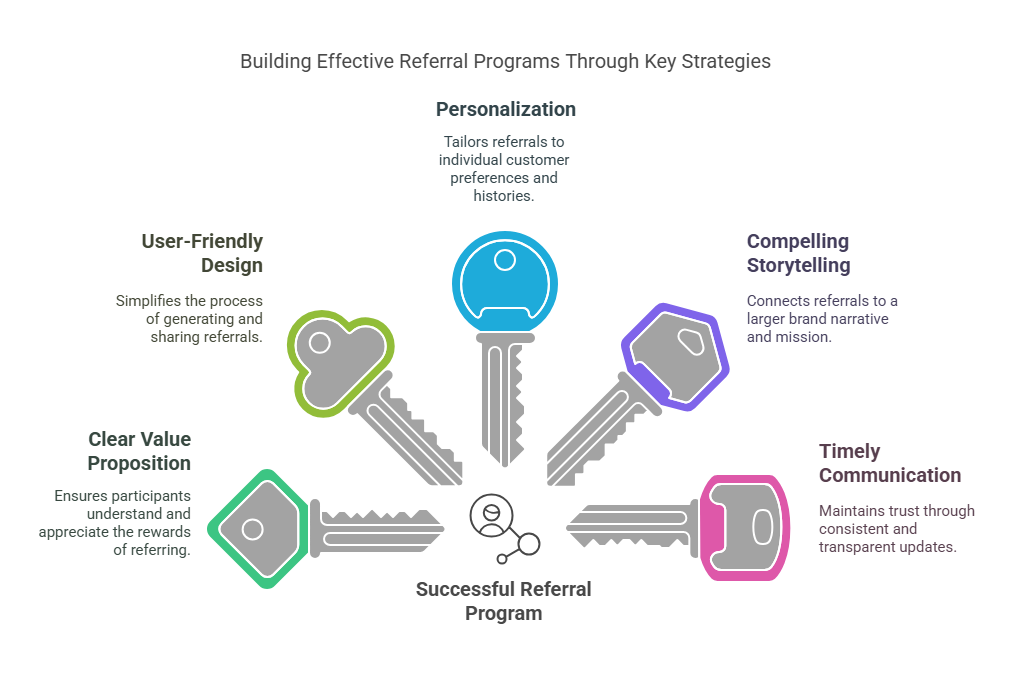
- Clear Value Proposition: Participants need to understand exactly what they gain from referring someone or being referred. Vague or complicated rewards can deter interest. Ensure the incentive—whether it’s a discount, free product, premium feature, or exclusive service—is easy to comprehend and appealing to the target audience.
- User-Friendly Design: If customers find it difficult to generate or share referral links, log into their accounts, or check their rewards status, they may abandon the process. Simplicity and accessibility at every step are vital.
- Personalization: Sending the same blanket messages to everyone might bring in some referrals, but a truly strong referral program is personalized. Address customers by name, consider their purchase history, and tailor the referral offer to their interests to show genuine appreciation and value.
- Compelling Storytelling: Rather than simply pushing the idea of “refer a friend,” tie your referral program to a broader brand narrative. What’s the larger mission or vision of your business? Show participants that by referring new customers, they’re contributing to a shared goal or value.
- Timely and Transparent Communication: Whether it’s an automated email confirming a successful referral or a system-generated message letting customers know how close they are to earning their next reward, constant communication fosters trust. If people know exactly what to expect, they’re more likely to keep referring.
- Mobile Integration: Many referrals happen spontaneously when someone is on their smartphone. If your referral program isn’t easily accessible or shareable on mobile devices, you’re likely missing out on a significant chunk of potential referrals.
Designing a Customer-Centric Referral Program
When you focus on the customer’s needs, wants, and experiences, your referral program will come across as considerate rather than merely promotional. A customer-centric approach adds a human touch to each interaction, reinforcing the notion that your business values relationships above quick transactions.
- Gather Customer Insights
Start by tapping into your existing data. Look at customer buying habits, engagement frequency, and the channels they use most. Surveys and feedback forms can also be invaluable. If you understand what motivates your audience, you can tailor your referral program to their preferences. - Segment Your Audience
Not all customers have the same motivations. Some may be coupon-savvy and love discounts, while others may be more motivated by exclusive experiences. Segmenting your audience allows you to offer distinct referral incentives. For instance, your high-spenders might appreciate early access to new product releases, while your casual shoppers could be more responsive to cash-back offers or free shipping. - Make Rewards Meaningful
The reward should resonate on a personal level. If you run a fashion brand, allowing loyal customers to choose which items they’d like to receive a discount on can enhance the emotional connection. Similarly, a software-as-a-service business could offer bonus features or extended free trials tailored to the user’s typical usage patterns. - Focus on the Emotional Connection
Instead of just sending a transactional “Thank you for referring us,” consider more personal touches. Tailor your messages: “We noticed you’ve been enjoying our new range of teas—thanks for introducing your friend to our cozy community! Here’s something special just for you both.” By referencing specific customer behaviors or preferences, you communicate that you notice and appreciate their continued support. - Emphasize Ease of Use
Even if your reward is amazing, a complicated referral process can kill participation. Incorporate straightforward calls to action, minimize the number of steps, and ensure user interfaces are intuitive. A referral link that can be shared with a single click often outperforms more complex steps involving sign-ups or form entries.

Personalization and Gratitude: The Core of Relationship Building
One of the strongest ways to elevate a referral program from a mere marketing tool to a genuine relationship builder is through the consistent expression of gratitude. Everyone likes to feel appreciated, and simple acts of thanks can transform a mundane process into a meaningful exchange.
- Customized Thank-You Notes
Whether digital or physical, a heartfelt thank-you note can work wonders. For example, a short email that reads, “Sarah, thank you so much for referring Alex! As a token of our appreciation, we’ve added a little surprise to your account,” stands out. When feasible, handwritten notes can bring an even more personal touch, bridging the digital and physical worlds. - Exclusive Sneak Peeks and Early Access
Beyond discounts, consider offering participants an exclusive look at upcoming products, features, or announcements. This approach acknowledges their role as not just customers but also insiders who help shape the brand’s future. - Spotlight Loyal Referrers
Publicly acknowledging top referrers (with their permission) can add a sense of camaraderie and friendly competition. Shining a spotlight in newsletters or on social media channels can highlight loyal advocates, encouraging others to join in. - Personalized Recommendations
If a referrer frequently purchases a certain type of product, tailor the referral reward to something they’d actually love. By showing that you pay attention to their preferences, you validate their loyalty and pique their interest in continuing to engage with your brand.
Gamification, Community Building, and VIP Tiers
While gratitude and personalization form the emotional foundation of a referral program, elements like gamification, community building, and VIP tiers can fuel long-term engagement. These strategies aim to make the referral process enjoyable, self-sustaining, and status-driven, encouraging people to participate more enthusiastically.
- Gamification
Incorporating game-like elements—such as points, badges, or leaderboards—transforms a referral program into something fun. Competition can be friendly yet motivating, especially when rewards are tiered. For instance, you might introduce a badge system: Bronze for one successful referral, Silver for three, Gold for five, and so on. This approach appeals to individuals who love achieving milestones and being recognized for their contributions. - Building a Loyal Community
A sense of belonging can significantly boost the popularity of a referral program. You could create online forums or social media groups where referrers can discuss experiences, share tips, and celebrate each other’s milestones. These communal spaces can go beyond transactional aspects, evolving into supportive networks of people who share a common interest in your brand’s offerings. - VIP Tiers
Many successful programs include VIP status for top referrers. These special customers might receive priority customer service, invitations to exclusive events, or first access to limited-edition products. By creating VIP tiers, you’re effectively saying, “We recognize and appreciate your extraordinary contributions.” This acknowledgment can dramatically enhance customer loyalty and the overall success of your referral program. - Tangible and Experiential Rewards
Instead of sticking solely to monetary or discount-based rewards, consider offering immersive experiences. For instance, if you run a subscription meal kit service, you could invite top referrers to an exclusive cooking class or a tasting event. Experiences often create more emotional resonance than a simple voucher, deepening the sense of connection and gratitude.

Multi-Channel Promotion for Your Referral Program
Even the most well-designed referral program will struggle to gain traction if customers don’t know about it. Promoting your program across multiple channels—while ensuring consistency in messaging and branding—is essential.
- Email Campaigns
Email remains one of the most effective channels for business communication. Send segmented email campaigns that announce the referral program to various subsets of your customer base. For those who haven’t tried referring yet, an introductory email can highlight the benefits. For those who’ve successfully referred in the past, a follow-up email can encourage them to continue participating. - Social Media Platforms
Whether it’s Instagram, LinkedIn, Facebook, or TikTok, social media offers a massive audience for your referral program. Share user-generated content celebrating successful referrals, testimonials, or step-by-step guides on how to refer. Use relevant hashtags and encourage followers to tag friends who might benefit from your products or services. - Website Integration
A dedicated page or pop-up on your website can go a long way in explaining the referral program’s benefits. Clear graphics, simple instructions, and persuasive calls to action should greet anyone who lands on your site. This ensures that even new visitors become aware of the opportunity to participate. - In-App and Push Notifications
If you have a mobile app, use push notifications to remind users about referral opportunities, especially at key moments—like after a positive product review or a completed purchase. Timely, context-specific prompts can significantly boost your referral numbers. - Physical Store Signage and Printed Materials
If you have a brick-and-mortar presence, do not overlook the power of printed materials. Posters, brochures, or QR code stickers near checkouts or product displays can effectively guide customers to sign up for your referral program on the spot.
Success Stories: Brands That Use a Referral Program to Build Stronger Relationships
- Dropbox
A textbook example of how a referral program can drive exponential growth, Dropbox offered extra storage space to both referrers and referees. Beyond storage, the sense of shared benefit helped users feel like part of a larger community invested in a simple, yet powerful, file-sharing solution. - Tesla
While Tesla is known for disruptive technology in the automotive world, its referral program is also a noteworthy success. By offering VIP event invitations, exclusive vehicle upgrades, and other luxurious perks, Tesla turned loyal owners into brand ambassadors who genuinely enjoyed bragging rights. - Airbnb
Airbnb effectively used travel credits as rewards for both the referrer and the new user. This was particularly powerful because it encouraged ongoing exploration and bookings on the platform. The credits weren’t just discounts; they were a means to discover more travel opportunities, thereby fostering an ongoing relationship with users. - Uber
Uber’s early success was propelled significantly by its referral program. It gave both the existing user and the new user a credit toward future rides. The mutual benefit created a cycle of exponential growth. More importantly, by giving referrers a tangible reason to keep using the app, Uber embedded itself deeply into users’ routines. - Groupon
Known for group discounts on local experiences, Groupon leveraged a referral system that rewarded both parties. Because Groupon deals are usually about shared experiences—like attending an event or trying a new restaurant—the referral program naturally led to more communal activities, further embedding the brand in social circles.
Overcoming Common Pitfalls
While setting up and running a referral program can be highly rewarding, certain pitfalls can undermine your efforts. Awareness of these challenges is the first step in preventing them from derailing your relationship-building journey.
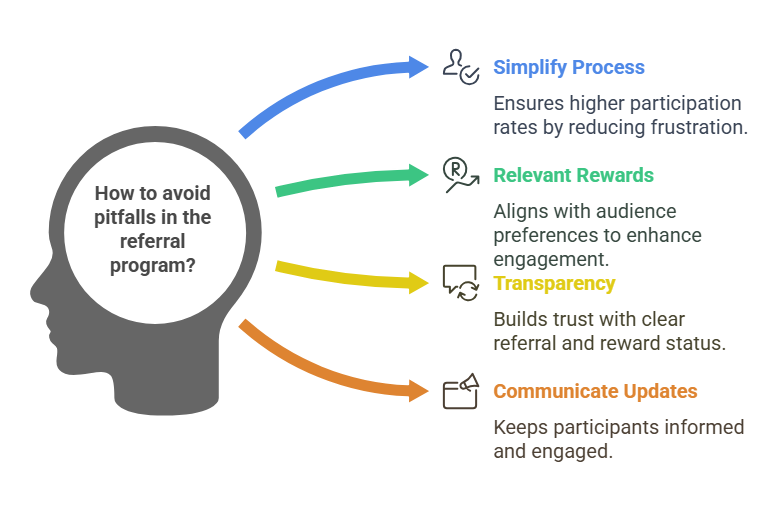
- Overcomplicating the Process
Complex sign-ups, unclear reward structures, or multiple steps to verify a referral can frustrate participants. When in doubt, simplify. A straightforward process yields higher participation rates. - Offering Irrelevant Rewards
If your core audience values experiences over discounts, forcing them to accept a generic coupon may not resonate. Always align rewards with what your audience genuinely wants or finds useful. - Lack of Transparency
If customers don’t know the status of their referrals, how many successful referrals they’ve made, or when they’ll receive their rewards, confusion and distrust can set in. Use automated, timely updates to keep participants informed. - Failure to Communicate Program Updates
A referral program isn’t a static entity. It may evolve with new features, changing incentives, or seasonal campaigns. Regularly updating participants keeps them engaged. If you never announce changes, you miss opportunities to reignite interest. - Ignoring the Customer Experience
If your customer service is slow, your product is glitchy, or your brand fails to deliver on its promises, even the best referral program can’t save you. Ultimately, customer satisfaction remains the bedrock of any successful referral approach.
Measuring and Analyzing the Impact
For a referral program to continue thriving, measurement and analysis are non-negotiable. Knowing which aspects of the program resonate—and which parts need tweaking—helps maintain momentum and ensures a good return on your investment.
- Define Key Performance Indicators (KPIs)
Common KPIs for a referral program include the number of referrals made, conversion rate of referred leads, average spend of referred customers, and retention rate. Define these metrics before launching or relaunching your program. - Use Cohort Analysis
By tracking referral performance over time and across different segments (e.g., referral behaviors of new vs. long-term customers), you can identify patterns. This data helps refine the program to better suit each group’s preferences. - Track User Behavior
Analytics platforms can help you see exactly where users drop off in the referral process. Are they not clicking the referral link? Are they landing on the sign-up page but failing to complete the action? Identifying such choke points helps in simplifying the workflow. - Solicit Feedback
Sometimes, data doesn’t tell the full story. Ask participants directly about their experience with your referral program. Short surveys, open-ended feedback forms, or focus groups can provide qualitative insights that numbers alone cannot capture. - Iterate and Improve
A referral program should evolve. Launch a pilot, measure results, gather feedback, and optimize. Revisit and adjust your KPIs as needed. Incremental improvements can keep your program fresh and in tune with changing customer needs.
Beyond Transactions: When Your Referral Program Becomes a Community
One of the most profound shifts in recent years is the realization that brand-driven communities can significantly drive loyalty, engagement, and word-of-mouth growth. A referral program can serve as the gateway to building that community, transitioning participants from one-time recommenders into loyal members who feel emotionally invested in your brand’s success.
- Shared Purpose
It’s easier to build a community when members see that the brand stands for something larger. If your referral program ties into a broader mission—such as sustainability, social impact, or cultural inclusion—it can galvanize participants around a common goal. - Interactive Experiences
Host events, webinars, or meet-ups that celebrate top referrers. Offer these events as rewards within your referral program. This face-to-face or virtual interaction strengthens connections, making customers feel a sense of unity and belonging. - Content Creation
Invite your top referrers to guest-post on your blog or contribute to your social media channels. When people see their content and feel the brand’s appreciation, they’re more likely to keep championing your products or services. It also demonstrates that your brand trusts and values its most loyal customers. - Collaboration Opportunities
If feasible, co-create products or services with community members who have proven their loyalty through the referral program. For instance, a fitness apparel company might design a limited-edition t-shirt with input from top referrers. This level of collaboration adds depth to the brand-customer relationship.
Strategic Partnerships and Joint Ventures
Expanding the reach and effectiveness of a referral program doesn’t have to be limited to your existing customer base. Sometimes, forming strategic partnerships or joint ventures with complementary businesses can massively amplify your referral efforts. For example, a meal kit subscription brand might partner with a kitchen gadget manufacturer so that each brand’s referral program cross-promotes the other. In such joint ventures, customers from each brand can discover the partner brand, creating a new wave of referrals driven by mutual trust and shared audiences.
- Identify Complementary Brands
Look for businesses that share similar values, target demographics, or brand identities. The goal is to create a seamless, value-driven experience for customers who may be interested in both sets of offerings. - Craft Win-Win Rewards
If you partner with a fitness studio, you might offer a two-week class pass as part of your referral program reward, while the fitness studio offers a discount code for your products to their members. Each brand gains new eyes, and the customer feels like they’re part of a broader, benefit-rich ecosystem. - Joint Marketing Campaigns
Launch combined marketing efforts—like emails, social media posts, or in-store promotions—that highlight the referral benefits of both companies. Not only does this broaden your audience, but it also creates an impression of collaboration and unity that can excite participants. - Continuous Evaluation
As with any referral program, track metrics closely to see how the partnership is performing. If you notice that one type of reward isn’t resonating, work with your partner to adjust the incentives. Staying agile ensures that both brands maintain a positive and profitable collaboration.
Cultural Sensitivity and Global Adaptations
As businesses expand globally, a single referral program template might not translate well across different cultures or regions. Local consumer habits, norms, and expectations can vary widely, making it crucial to adapt your referral strategies.
- Local Incentives
In some regions, charitable donations or community-based rewards might resonate more strongly than individual discounts. In other markets, big monetary rewards might be the primary motivator. Always research local preferences before rolling out a referral program in a new region. - Language and Communication Styles
A casual tone that works in one country might feel disrespectful in another. Pay attention to local language nuances, formality levels, and even color symbolism in marketing materials. - Cultural Holidays and Events
Incorporate cultural events into your referral program strategy. For instance, during the festive season in certain markets, offering seasonal or holiday-themed rewards can lead to higher engagement. Aligning with local calendars shows that you care about your audience’s traditions and celebrations. - Compliance with Local Regulations
Some countries have specific laws regarding referral incentives or data sharing. Ensure you’re in compliance with all relevant regulations before launching any new facet of your referral program. Non-compliance can have legal and reputational repercussions.
Linking a Referral Program to Corporate Social Responsibility
Increasingly, consumers want to support brands that contribute positively to society. Incorporating a corporate social responsibility (CSR) angle into your referral program can achieve two major goals: attracting socially conscious consumers and making a tangible difference in the community.
- Donation-Based Rewards
Instead of giving a discount or free product, allow customers to donate their reward to a charity of their choice. This option appeals to those who find greater value in contributing to a cause than receiving a personal perk. - Shared Campaigns
Launch special referral campaigns tied to charitable efforts. For each referral made during a certain month, you might pledge to donate a set amount to a nonprofit. Encourage customers to rally their friends, amplifying both brand awareness and charitable impact. - Transparency and Impact Reports
If you integrate social causes into your referral program, regularly update participants on the real-world impact. For example, if your campaign’s donations go toward planting trees, share photos or data about how many saplings were planted. Showing tangible outcomes boosts trust and a sense of collective achievement.
Evolving Your Referral Program Over Time
A referral program is never a one-and-done affair. Markets shift, customer preferences evolve, and new technologies emerge. Staying attuned to these changes can keep your referral system fresh, exciting, and aligned with current consumer demands.
- Seasonal Adjustments
Consider modifying rewards or themes based on seasons or holidays. People often have different spending habits throughout the year, and timed promotions can capitalize on heightened interest. - Incorporate New Technologies
As technology evolves, so can your referral program. For example, chatbots, AI-driven personalization, or virtual reality demos can elevate the user experience. Consider whether these tools can make referring easier or more enjoyable. - Regular Feedback Loops
Don’t wait until the program stagnates. Build in regular intervals—every quarter or bi-annually—to review performance data and gather feedback. Even minor tweaks can have significant ripple effects on participation rates. - Test and Experiment
A/B testing different reward tiers, messaging, or share buttons can reveal what resonates most with your audience. Instead of guessing, let data guide refinements to your referral program. Small-scale experiments often lead to big insights.
Training Your Team to Champion the Cause
A referral program is not just a function of marketing or sales; it’s a holistic effort that can involve every department—from customer service to product development. Ensuring your entire team understands and believes in the referral program’s potential will amplify its impact.
- Onboarding Sessions
Make the referral program part of new employee orientation. By teaching every team member how it works and why it’s beneficial, you create an internal culture that supports and advocates for the program. - Incentivize Employees
Just as you reward customers for referrals, you can also recognize employees who bring new leads or ideas to improve the referral process. Internal recognition fosters a sense of unity and collective achievement. - Empower Customer Service Representatives
Your customer service team often has direct contact with both satisfied and dissatisfied customers. Train them to identify upsell opportunities, rescue at-risk relationships, and gently introduce the referral program to happy customers at appropriate moments. - Regular Internal Communication
Keep employees in the loop about referral program milestones, success stories, and any new initiatives. This fosters excitement and aligns everyone on the broader mission of relationship-building through referrals.
Integrating a Referral Program with Other Loyalty Initiatives
While a referral program can serve as a standalone initiative, combining it with other loyalty strategies often multiplies results. Loyalty programs, subscription models, and membership tiers can be woven together for a seamless customer journey.
- Points-Based Systems
If you already have a loyalty points program, integrate referrals as a major point-earning activity. This approach combines both repeat purchases and referrals into a single, easy-to-track system. - Subscription Discounts
For subscription-based services, offering a discount on next month’s fee or an upgrade to a higher subscription tier can be more impactful than a small one-time perk. This not only rewards the referrer but also encourages continued usage of the service. - Bundled Rewards
Consider bundling multiple offers—like loyalty points plus a free product—for successful referrals. This multi-layered approach can be particularly effective for customers who have varying motivations. - Shared Milestones
Celebrate joint milestones. For example, if a customer reaches a high loyalty tier and has made three successful referrals, provide an additional exclusive perk. Recognizing compound achievements makes people feel especially valued.
Future Trends and Innovations
The evolution of referral programs continues to accelerate as technology advances and consumer expectations shift. Staying ahead of the curve can give you a competitive edge in building and maintaining strong customer relationships.
- Artificial Intelligence and Predictive Analytics
AI-driven insights can predict which customers are most likely to become high-value referrers, allowing you to target them with tailored messaging and rewards. Predictive analytics can also identify the best times and channels to encourage referrals. - Blockchain and Transparency
Some companies are experimenting with blockchain-based platforms to manage referral programs. The decentralized, transparent nature of blockchain ensures trust and security, appealing to customers who value data integrity. - Voice and Augmented Reality
As devices like smart speakers become more common, referral actions might be initiated through voice commands. Similarly, augmented reality can provide new, engaging ways to share and experience referral content—particularly in visually-driven industries like fashion or home decor. - Micro-Influencers
Micro-influencers, or everyday social media users with strong but niche followings, can become powerful referrers. A well-crafted referral program can turn these micro-influencers into loyal brand advocates, expanding your reach into highly targeted communities.
Final Thoughts
: Building Lasting Bonds Through Referrals
A referral program is far more than just a tactic to boost sales. When done right, it serves as a bridge that strengthens the emotional ties between you and your customers. By focusing on personalization, gratitude, community, and continuous innovation, you can create a referral program that not only attracts new business but also deepens existing relationships.
The common thread running through all these strategies is a genuine commitment to customer well-being and satisfaction. This sense of shared purpose, trust, and mutual benefit elevates a referral program beyond a mere incentive plan. It becomes a relationship-driven initiative that nurtures long-term loyalty, turning satisfied customers into vocal brand champions.
In today’s competitive landscape, where customers have countless options at their fingertips, the brands that stand out are those that truly connect. A referral program can be the vehicle that facilitates that connection, transforming casual customers into thriving, dynamic communities of supporters who feel personally invested in your success. By recognizing and rewarding them, you acknowledge their importance in your journey. In return, they’ll carry your story forward, building stronger relationships not just with you but also among themselves, ultimately creating an ecosystem where loyalty and advocacy flourish.

- Book: Generating Business Referrals Without Asking: A Simple 5 Step Plan to a Referral Explosion by Stacey Brown Randall
- Book: No B.S. Guide to Maximum Referrals and Customer Retention: The Ultimate No Holds Barred Plan to Securing New Customers and Maximum Profits by Dan S Kennedy and Shaun Buck
Stop by our Events Calendar to find out when our next power networking hour is and stop by the live networking chat room to start building relationships to grow your referrals!

pronostic quinté
Hi, this weekend is pleasant in support of me, because this occasion i am reading
this fantastic informative post here at my home.