

Why Instagram Stories? In today’s fast-paced digital landscape, engaging and retaining the attention of potential customers is a significant challenge for most businesses. With social media constantly evolving, brands need to stay on top of the latest features and trends to ensure they remain visible, relevant, and appealing to their target audience. One of the most dynamic and powerful tools available right now is Instagram Stories.
Originally launched in 2016, Instagram Stories were seen as a short-lived, ephemeral way to share content that would disappear after 24 hours. Over time, however, this feature has grown into a vital channel for businesses and influencers, boasting hundreds of millions of daily active users. This massive, engaged audience forms a prime demographic for brands looking to connect in a more immediate and impactful manner.
The ephemeral nature of Instagram Stories creates a sense of urgency and excitement among viewers. By knowing that any post in this format will vanish after a single day, audiences are encouraged to check in regularly, interact with features like polls, quizzes, and swipe-up links, and develop a deeper connection to brands. It’s precisely this kind of consistent engagement that makes Instagram Stories a crucial part of any social media marketing strategy.
But simply knowing that Instagram Stories exist isn’t enough. To leverage them effectively, businesses need to develop a carefully considered approach, complete with relevant, compelling content and a clear sense of purpose. In the following sections, we will dive into the rise of Instagram Stories, the benefits they offer, and how you can tap into their full potential for long-term success.
1. The Rise of Instagram Stories
When Instagram debuted Instagram Stories, the concept was met with a fair degree of skepticism because it closely mirrored the features of another popular platform, Snapchat. However, Instagram’s broader user base quickly embraced this new ephemeral content feature, leading to a dramatic increase in engagement and daily usage on the platform.
Within just a few years, Instagram Stories became a top way for users to share daily moments in a casual, authentic format. For businesses, this shift in user behavior also ushered in a wave of potential. Rather than having to rely solely on feed posts—which require more polished visuals and could easily be lost in a crowded newsfeed—brands found that Instagram Stories provided a fresh, less filtered avenue for connection.
Today, Instagram Stories boast over 500 million daily active users. This massive adoption rate has not only highlighted the feature as a primary way people interact on Instagram, but also significantly influenced the direction of social media marketing as a whole. The success of stories has been so profound that other platforms, including Facebook and even YouTube, have introduced similar features to capitalize on this story-driven format.
One reason Instagram Stories gained such momentum is the ease with which they blend authentic, real-time updates with eye-catching creativity. Users can overlay stickers, animations, polls, or location tags, thus taking a simple photo or video and turning it into an interactive experience. This functionality becomes an ideal canvas for businesses to test out new concepts, gather user feedback, and foster brand loyalty in a more immediate way.
By understanding the meteoric rise of Instagram Stories and why users have flocked to them, businesses can craft better strategies for engagement and brand storytelling. In essence, the story format rewards authenticity, creativity, and frequent posting—criteria that can help any business stand out in a competitive digital market.
2. Why Instagram Stories Matter for Businesses
In an era defined by instant gratification and short attention spans, Instagram Stories offer businesses a solution to the question: how can we keep our audience engaged on a consistent basis? By providing short-lived, easily digestible content, Instagram Stories open up new avenues for immediate interactions with followers.
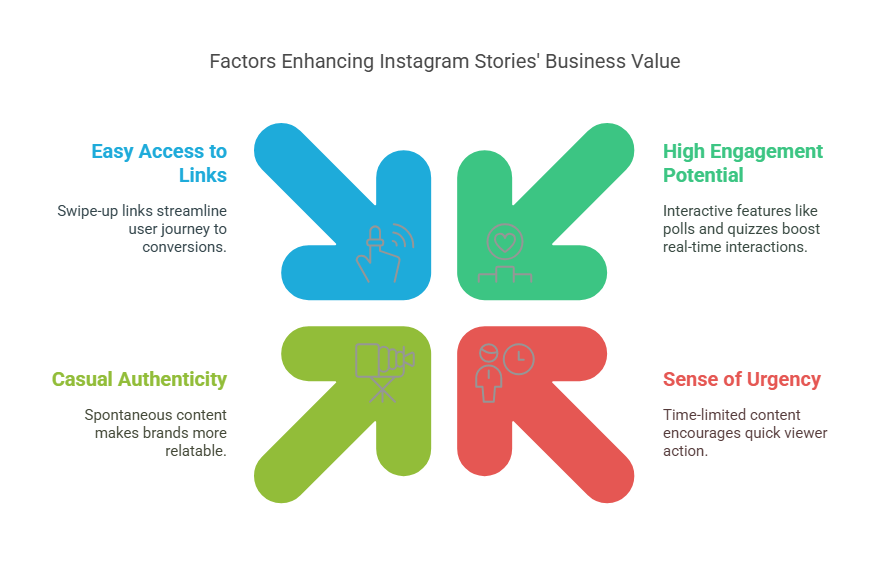
- High Engagement Potential: Stories are inherently designed to be interactive. With polls, quizzes, and question stickers, brands can have real-time conversations with their community. This level of two-way communication can be significantly more impactful than the one-sided approach often seen in traditional advertising.
- Sense of Urgency: Since Instagram Stories disappear after 24 hours, viewers feel a compelling need to check them out quickly, resulting in higher view rates. This ephemeral element aligns well with marketing tactics like flash sales, limited-time offers, or event countdowns.
- Casual Authenticity: While curated feed posts often demand professional photography and meticulous planning, Instagram Stories allow for more spontaneous, behind-the-scenes content. This flexibility helps brands come across as more relatable, which can, in turn, improve trust and credibility.
- Easy Access to Links: Once an account has reached the required follower threshold (usually 10,000, or for verified profiles), they can add swipe-up links within Instagram Stories. This feature streamlines the user journey from viewing a product or announcement to visiting a website or product page. For businesses, this can be a direct funnel to conversions or lead generation.
Because of their interactivity and fluid nature, Instagram Stories allow businesses to remain in constant touch with followers without oversaturating their main feed or overwhelming the audience. Instead, each story can serve as a micro-campaign or mini-storyline that collectively contributes to the brand’s overarching narrative.
3. Key Benefits of Instagram Stories
To fully appreciate why Instagram Stories are a must-have tool in your marketing arsenal, it helps to break down the specific benefits they offer. While there are many ways to capitalize on this feature, the four key advantages stand out for businesses across various industries.
- Increased Visibility:
When users open Instagram, the top of the home screen is dominated by story icons from accounts they follow. This prime real estate ensures that Instagram Stories are often one of the first things users see. Brands that post stories regularly can stay front and center in their audience’s mind, reinforcing brand recognition and retention. - Higher Engagement:
Engagement goes beyond mere views or likes. Instagram Stories allow direct interactions through polls, questions, and sliders. By asking a simple question or running a short poll, businesses can gain invaluable insights about their audience’s preferences. This immediate feedback loop can drastically improve future marketing decisions. - Authenticity and Trust:
Modern consumers value transparency and authenticity. When brands share behind-the-scenes peeks or user-generated content, they invite followers into their world. This kind of content humanizes the brand and helps build trust. Through Instagram Stories, businesses can shed the corporate façade and become more approachable. - Drive Traffic and Sales:
The swipe-up feature (or the link sticker, introduced more recently to provide a link in stories for eligible accounts) is a game-changer for eCommerce brands. Instead of making viewers navigate to a profile link or search for a website manually, Instagram Stories can take them directly to a sales page, a blog, or a registration form. This seamless user experience can significantly boost conversions and sales.
Overall, the intersection of visibility, engagement, authenticity, and sales potential makes Instagram Stories a powerful tool that any business aiming for growth on social media should prioritize. Whether you are a local boutique, an online service provider, or a global corporation, these benefits remain consistent and can be adapted to fit your specific goals.
4. Developing an Effective Instagram Stories Strategy
Before diving headfirst into posting Instagram Stories, businesses must craft a well-thought-out strategy that aligns with their overarching marketing objectives. A haphazard approach might yield some immediate gains, but a focused, strategic plan will ensure long-term success and sustained audience interest.
- Set Clear Goals:
Are you aiming to increase brand awareness, drive online sales, or collect leads? Being specific about your intentions from the onset helps shape the type of content you produce. For instance, if your primary goal is to drive traffic, you’ll focus heavily on the swipe-up feature and strong calls-to-action. - Know Your Audience:
The content you create for your Instagram Stories should resonate with your target audience. Conduct market research, use Instagram Insights, and monitor engagement rates to refine your understanding of their preferences. The more you know about your followers—age range, interests, and peak activity times—the better you can tailor stories that they find interesting and valuable. - Plan Content in Advance:
While Instagram Stories can certainly be spur-of-the-moment, planning a posting schedule in advance ensures a consistent presence. Developing a weekly or monthly content calendar is helpful, particularly for product launches, seasonal promotions, or events. This calendar can detail what type of content (photo, video, poll, quiz) goes out on which day, ensuring variety and cohesion. - Define Your Brand Voice:
Consistency in tone and messaging is crucial. Even though stories can be more casual than feed posts, your brand’s essence should still shine through. Whether your brand is playful, educational, luxurious, or compassionate, make sure this tone is reflected in the copy, visuals, and interactive elements of your Instagram Stories. - Encourage User Interaction:
Instagram Stories that invite responses, questions, and engagement generally perform better. Incorporate polls, quizzes, question stickers, and challenges to encourage audience participation. The insights gleaned from these interactions can also guide you in refining future posts and product offerings.
An effective Instagram Stories strategy is one that balances planning with authenticity. You should always be prepared to seize spontaneous moments that arise, such as a behind-the-scenes look at your team celebrating a milestone, or sharing a quick reaction to industry news. A well-executed plan ensures you’re never at a loss for content, but it shouldn’t stifle your brand’s natural creativity and responsiveness.

5. Types of Content to Share on Instagram Stories
Diversity in content is crucial for keeping your audience engaged. If every post feels like a cookie-cutter advertisement, followers will quickly lose interest. Here are some key content types you can experiment with on Instagram Stories:
- Images and Videos:
Simple yet effective, static images and short video clips provide a quick snapshot that can convey a brand’s message. Videos under 15 seconds are especially useful for capturing attention quickly. You can introduce new products, highlight special offers, or give a brief introduction to a topic or event. - Boomerangs and GIFs:
Boomerangs—a burst of photos stitched together to create a short video loop—add a playful element. GIFs or stickers also liven up otherwise plain images or videos. They can be used to emphasize certain parts of an image or highlight your brand’s sense of humor. - User-Generated Content (UGC):
When followers tag your business or share testimonials, reposting these in your Instagram Stories is a powerful way to show appreciation and build social proof. It also encourages more followers to share their experiences with your brand, creating a cycle of UGC that promotes authenticity. - Behind-the-Scenes Moments:
Audiences often love an exclusive peek into your operations. It can be anything from the office atmosphere, product packaging, team events, or the steps leading up to a product launch. This transparency fosters trust and builds a stronger relationship between your brand and its followers. - Educational Snippets:
Consider using Instagram Stories to provide short tutorials, tips, or how-to guides related to your niche. For instance, a fitness brand could share a few quick exercises, while a cooking brand could showcase a short recipe demo. These bite-sized educational pieces position your brand as an expert.
By rotating through these different content types, you keep your Instagram Stories feed dynamic, ensuring that your followers don’t grow bored. Experiment, analyze which formats receive the most engagement, and refine accordingly. Over time, you’ll discover which content resonates best with your particular audience.
6. Interactive Features and How to Use Them
One of the key factors that sets Instagram Stories apart from standard feed posts is the range of interactive elements that can be seamlessly integrated. These features not only enhance engagement but also provide valuable audience insights that can guide your marketing strategy.
- Polls:
The poll sticker lets you pose a question with two possible answers. It’s a quick way to gauge preferences—for example, if you want to know which color of a product your audience likes more. The real-time results can inform your inventory or marketing decisions, especially if you’re testing a new concept. - Questions:
The question sticker is a more open-ended feature. Followers can submit questions, topics they’d like you to discuss, or feedback on a particular product. Brands often use this for Q&A sessions, giving followers direct access to experts or the brand team. - Quizzes:
The quiz feature is both entertaining and educational. You can ask multiple-choice questions to test your audience’s knowledge on industry facts, product details, or general trivia related to your brand. Quizzes gamify the user experience, encouraging more people to participate and share their results. - Countdown Stickers:
Perfect for building excitement, countdown stickers can be used for product launches, upcoming events, or sales periods. When users opt to be reminded, they automatically receive a notification when the countdown ends. - Link Stickers:
Instead of the traditional “swipe-up” feature, Instagram has introduced link stickers for accounts that meet certain requirements. Users can simply tap the sticker to follow a link. This new approach can be more intuitive and visually appealing. Whether you’re linking to a blog post, a special promotion, or a sign-up form, the link sticker is a direct path to conversions.
Incorporating these interactive features into your Instagram Stories does more than just increase engagement. It also allows you to collect data directly from your audience—data that can shape your product offerings, content themes, and overall brand strategy. Every poll response or quiz answer is a piece of market research that can be used to refine your operations.

7. Brand Storytelling Through Instagram Stories
At its core, marketing is storytelling. Whether you’re launching a new product or sharing your brand’s origin, framing your narrative in a way that resonates with your audience is essential. Instagram Stories excel in this area because they offer a visually driven, interactive format that encourages users to follow along and engage.
The Power of Narrative
A compelling story can transform an ordinary brand message into something memorable. With Instagram Stories, you can craft a mini-series of images, videos, and text that progressively builds up a story. Maybe you want to illustrate the journey of a product—from concept and raw materials, through to creation, and finally, the finished item being shipped to a happy customer. By structuring this journey in bite-sized, sequential posts, you draw viewers in and keep them interested until the end.
Consistent Themes and Aesthetics
When deploying storytelling across multiple Instagram Stories, consistency is key. This can mean using a uniform color scheme, a signature font, or sticking to a recurring theme. Consistency doesn’t imply monotony; instead, it provides a visual and thematic thread that binds each story together, ensuring viewers can recognize your brand’s style instantly.
Emotional Connection
Storytelling has the capacity to tap into emotions in a way that plain advertisements might not. Sharing uplifting customer success stories or a heartfelt message from the brand founder helps followers see the “human side” of your business. Emotional connections foster loyalty, turning followers into advocates who are more likely to recommend your brand to others.
Calls-to-Action in Storytelling
While it’s crucial to maintain authenticity in your brand’s narrative, well-placed calls-to-action can guide your audience toward the next step. Perhaps you wrap up a story about a new product’s development with a link sticker directing viewers to purchase it. Or, after sharing a heartfelt story about a charity partnership, you add a swipe-up link to donate. When the narrative is engaging, audiences are more inclined to take action at the end.
By weaving strong, authentic stories into your Instagram Stories, you create a unique platform where viewers aren’t just passive scrollers, but active participants in your brand journey. These emotionally charged narratives can be a potent driver for conversions, loyalty, and long-term brand growth.
8. Behind-the-Scenes Content and Authenticity
One of the most appealing aspects of Instagram Stories is the opportunity to showcase your brand in a way that feels genuine and transparent. While traditional advertising often relies on polished, perfected imagery and messaging, behind-the-scenes content can offer a more relatable window into how your products or services come to life.
Humanizing Your Brand
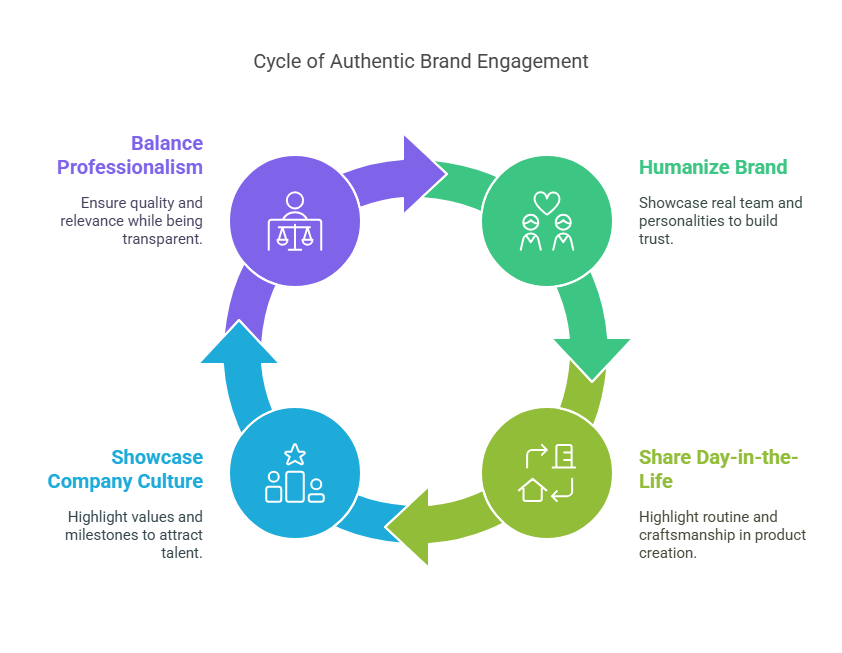
Consumers today seek meaningful connections with the brands they support. By providing glimpses behind the curtain—such as office tours, team introductions, or product assembly processes—you show your audience that there’s a real team with real personalities driving your brand. This sense of authenticity builds trust, making followers feel like they’re part of an exclusive community, rather than just an outsider looking in.
Day-in-the-Life Segments
A popular format for behind-the-scenes Instagram Stories is a day-in-the-life approach, where you pick a team member or influencer to document their routine. This can be especially effective if that person is directly involved in creating, testing, or marketing your products. Watching how they go about their day can shed light on the care and craftsmanship that goes into every aspect of your business.
Showcasing Company Culture
Strong company culture can be a magnet for top talent, business partners, and customers who admire your values. Use Instagram Stories to highlight team-building exercises, charitable events, or even celebrations of milestones like employee anniversaries. This type of content helps to shape your brand’s identity, going beyond the standard product-focused posts.
Balancing Professionalism and Spontaneity
While authenticity is crucial, it’s important to maintain a baseline of professionalism. Behind-the-scenes footage doesn’t need to be polished, but it should still reflect positively on your brand. Be mindful of lighting, audio clarity when filming, and the relevance of the content you’re sharing. The goal is to be transparent without compromising on quality or brand standards.
Behind-the-scenes content acts as a bridge between you and your customers, tearing down the “fourth wall” that can sometimes make brands seem distant and inaccessible. When done correctly, these Instagram Stories can foster deeper connections and enduring brand loyalty.
9. Using Highlights to Extend Your Story Lifespan
One common criticism of Instagram Stories is their transient nature—they disappear after 24 hours. While this ephemeral trait is part of what makes them so engaging, businesses often have content worth preserving for longer. That’s where the Highlights feature comes into play.
Why Highlights Matter
Highlights are curated collections of past Instagram Stories that you can feature on your profile indefinitely. Placed prominently below your bio, these Highlights act as a permanent gateway to your most important or successful content. They allow users who might have missed your stories when they were live to revisit them at their convenience.
Organizing Highlights Strategically
To make the most of Highlights, consider organizing them by themes or categories, such as:
- Product Demos: Showcasing how a product works or highlighting its key features.
- Customer Reviews: A compilation of user testimonials, unboxings, or personal experiences.
- FAQs: Addressing common questions or misconceptions about your brand or services.
- Events and Launches: Summaries of significant brand events, product launches, or promotions.
- Team and Culture: Behind-the-scenes glimpses into your company’s ethos, values, and daily life.
By labeling each Highlight collection clearly and designing a cohesive set of covers, you make it easy for visitors to find exactly what they’re looking for.
Keeping Highlights Fresh
Although Highlights are permanent, that doesn’t mean they should remain static forever. Periodically update or rearrange your Highlights to ensure they align with your brand’s current messaging and offerings. If a particular product is discontinued, remove it. If you have a new batch of user-generated content, add it to your reviews or testimonials Highlight. This ensures potential customers always find the most relevant information.
Driving Traffic with Highlights
If your account has access to the link sticker, you can drive traffic from your Instagram Stories to your website. By saving these stories in a “Swipe Ups” or “Links” Highlight, you create a recurring point of reference for users interested in learning more. This effectively extends the life of any promotions or blog posts you want to feature, giving them a shelf life far beyond 24 hours.
Highlights transform fleeting Instagram Stories into evergreen resources that new and existing followers can revisit. Whether you’re showcasing products, sharing user testimonials, or answering FAQs, the Highlights feature ensures your most valuable content remains accessible and organized, reinforcing your brand message round the clock.
10. Influencer Collaborations in Instagram Stories
Collaborating with influencers has become a staple in many social media marketing strategies, and Instagram Stories offer a particularly interactive platform for these partnerships. When an influencer talks about your brand or product within their stories, their audience gets a firsthand account that feels personal and authentic.
Choosing the Right Influencer
Not all influencers are created equal. It’s not just about follower count; you need someone whose values align with your brand, whose audience matches your target demographic, and whose content style complements your products or services. Micro-influencers, who typically have 1,000 to 50,000 followers, often have higher engagement rates and can provide a more genuine endorsement than big-name influencers.
Co-Created Content
An effective strategy is to co-create Instagram Stories with your influencer partner. This can involve sending them products to unbox or feature in a day-in-the-life sequence. You could also host a collaborative live session where the influencer takes over your brand’s stories or vice versa. This cross-promotion exposes both your audiences to fresh, engaging content.
Brand Ambassadors
Long-term relationships can be even more beneficial than one-off collaborations. When an influencer becomes a brand ambassador, they regularly feature your products or services in their Instagram Stories. This consistent exposure fosters better recognition, trust, and loyalty among their followers, who see the influencer’s ongoing enthusiasm for your brand.
Measuring ROI
It’s crucial to evaluate the success of any influencer campaign. Using unique promo codes, UTM links, or specialized landing pages allows you to track how much traffic and sales are directly attributable to the influencer’s Instagram Stories. You can also monitor metrics like story views, swipe-ups, and direct messages to gauge engagement levels.
Influencer collaborations offer a powerful way to amplify your reach, leverage credibility, and create buzz around your brand. By weaving influencers into your Instagram Stories strategy, you tap into the authenticity and trust they’ve already built with their audience—often a much faster path to conversion than building that trust from scratch yourself.
11. Building Consistent Branding
With the fast-paced nature of Instagram Stories, it’s easy to lose sight of brand consistency amid trying out new features, designs, or content ideas. However, consistently representing your brand’s identity across all touchpoints—stories included—is vital for long-term recognition and trust.
Visual Consistency
- Color Palette: Select a few signature colors that align with your brand’s established identity. Incorporate these colors into text, backgrounds, and stickers whenever possible.
- Fonts: If your brand has specific fonts, try to replicate them on Instagram Stories. While Instagram itself limits the font styles you can choose from, you can upload pre-designed templates that match your brand’s typography.
- Logo Placement: Consider subtle ways to include your logo, such as in the corner of your images or on a sticker. Avoid overwhelming the viewer with too many brand elements, but ensure your presence is felt.
Tonal Consistency
The way you communicate in Instagram Stories should reflect your brand voice. If your brand is known for being witty and informal, keep that tone in the captions and text overlays. Conversely, if you’re a luxury brand, maintain a polished, refined manner of writing. Over time, viewers will associate your brand with a specific style of communication.
Templates and Style Guides
Creating a library of story templates can streamline content production and maintain brand consistency. These templates can specify where text, images, or stickers should go, ensuring every story follows a cohesive design. A style guide is also helpful for team members who create content. It lays out rules for color usage, logo placement, font hierarchy, and even the tone of voice to be used.
Adjusting for Specific Campaigns
Consistency doesn’t mean monotony. You can still adapt your style to suit special campaigns, seasonal promotions, or product launches, but do so without straying too far from your core brand identity. Perhaps you add holiday-themed stickers or incorporate a short-term color accent. The key is to ensure that even these special variations are recognizably yours.
By prioritizing consistent branding in your Instagram Stories, you create a unified brand experience that followers will come to know and trust. Over time, this cohesive approach can lead to higher brand recall, stronger loyalty, and ultimately, better conversions.
12. Promoting and Advertising with Instagram Stories
Beyond organic reach, Instagram Stories offer robust advertising options that enable brands to target specific audiences and drive measurable results. Whether you’re a small business looking to grow awareness or a major brand launching a new product line, story ads can help you expand your reach significantly.
Instagram Stories Ads
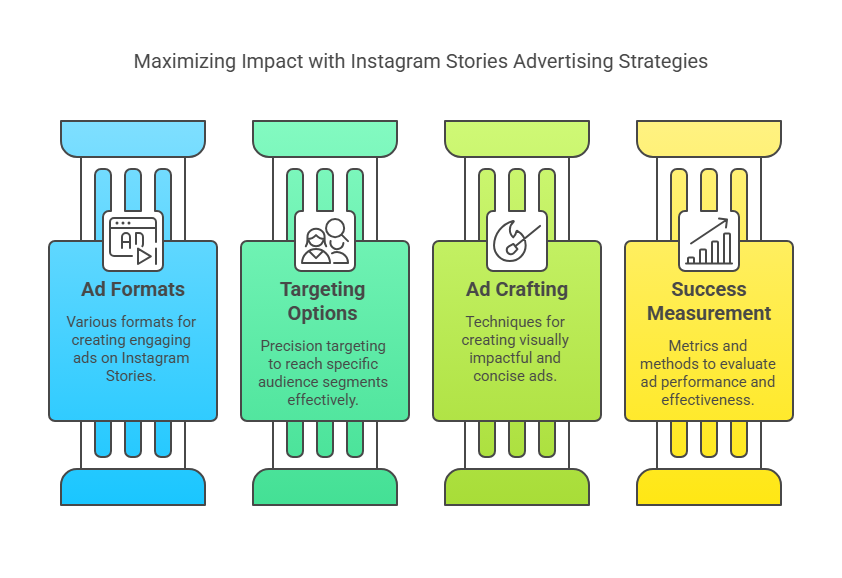
Through Facebook’s Ads Manager (which also handles Instagram ads), you can create Instagram Stories ads in the form of vertical images or videos up to 15 seconds long. These ads appear between other users’ stories, offering a seamless experience that often leads to higher engagement compared to traditional feed ads.
Targeting Options
Story ads come with the same powerful targeting capabilities as regular Instagram or Facebook ads, including:
- Demographic Targeting: Age, gender, location, etc.
- Interest Targeting: Based on user’s online and offline interests.
- Lookalike Audiences: Target users who share characteristics with your existing customers.
- Retargeting: Show ads to people who have already interacted with your brand or visited your website.
This level of precision helps you get your story ads in front of the people most likely to engage or convert.
Crafting Effective Story Ads
- Visual Impact: Since these ads appear only briefly as users tap through stories, grab attention instantly with bold visuals or text overlays.
- Concise Messaging: Your ad should communicate its key value proposition quickly. Incorporate a clear call-to-action that directs users to swipe up or tap a link sticker.
- Ad Consistency: Maintain branding elements to ensure your ad feels like an extension of your profile, not a jarring interruption.
Measuring Ad Success
Use Instagram’s analytics to measure metrics such as reach, impressions, link clicks, and conversions. By understanding which ads perform best, you can refine your targeting parameters and creative approach for future campaigns. Regularly A/B testing elements like visuals, copy, and call-to-action placement also helps in optimizing performance.
Advertising through Instagram Stories can be highly cost-effective when executed properly. Combining compelling visuals, precise audience targeting, and strategic calls-to-action makes for an advertising medium that can drive immediate, trackable results.
13. Analyzing Performance and Metrics
Without proper analysis, you’re essentially shooting in the dark. To gauge the effectiveness of your Instagram Stories and refine your strategy, you need to track a variety of metrics. Instagram’s built-in analytics provide a wealth of data, especially for business accounts.
Key Metrics to Watch
- Reach: The total number of unique accounts that viewed your story.
- Impressions: The total number of times your story was viewed, including multiple views from the same account.
- Exits: The number of times someone tapped away from your story. A high exit rate at a particular story could indicate less engaging content.
- Replies: The total messages you receive in response to your story. This is a direct measure of how well you’re prompting conversation.
- Tap Forwards and Tap Backs: These indicate navigation behavior. A tap forward might mean viewers are skipping quickly, while a tap back could signify they’re rewatching or rereading something interesting.
Frequency of Analysis
Check your Instagram Stories analytics at least weekly or bi-weekly. By identifying patterns—such as the types of content that consistently yield high impressions or engagement—you can replicate that success. Conversely, learning from underperforming content helps you avoid repeating ineffective tactics.
Integrating Third-Party Tools
Though Instagram Insights are robust, third-party analytics tools can offer additional layers of data and historical tracking. Tools like Iconosquare or Sprout Social can provide deeper analysis, exportable reports, and a better overview of long-term trends. These can be especially useful if you’re managing multiple social platforms simultaneously.
Using Insights to Pivot Strategy
Metrics alone mean little unless you apply them. If you notice that behind-the-scenes posts consistently generate more replies or that quizzes increase dwell time, lean into these formats. Conversely, if a particular kind of content regularly sees a high exit rate, it may be time to re-evaluate its value.
By consistently monitoring your Instagram Stories metrics, you transform raw data into actionable insights. This feedback loop ensures that your content strategy remains agile, responsive, and aligned with audience interests—key attributes for thriving in the dynamic realm of social media marketing.
14. Common Pitfalls to Avoid
While Instagram Stories hold vast potential, they’re not without pitfalls that can undermine your success. Being aware of these common mistakes helps you steer clear of them and make the most out of every post.
- Overposting:
Bombarding followers with too many Instagram Stories in a single day can lead to viewer fatigue. If someone sees a never-ending sequence, they might skip your stories altogether. Strike a balance between frequent updates and brevity. - Neglecting Audio:
A considerable portion of users watch stories with sound on. Ignoring audio quality in videos—like posting clips with inaudible dialogue or distracting background noise—can quickly turn viewers away. Whenever possible, use clear audio or add captions for accessibility. - Lack of Variety:
Repetitive content—posting the same product shots or overly similar polls—can stunt engagement. Vary your approach by incorporating different content types (videos, polls, boomerangs, quizzes) to keep things fresh. - Ignoring Brand Consistency:
Random fonts, mismatched colors, or inconsistent tone can erode your brand identity. Make sure each story aligns with your broader branding guidelines. - Forgetting Calls-to-Action:
If you don’t guide your audience on what to do next—swipe up, click a link, respond to a poll—many viewers will simply move on. A strong CTA can be the difference between a passive view and an active conversion. - Not Analyzing Performance:
Without evaluating metrics like reach, impressions, and engagement, you’re missing out on a vital feedback loop. Failing to adjust your strategy based on data is a missed opportunity for growth.
Avoiding these missteps ensures a smoother experience for your audience and helps maintain a professional, inviting presence on Instagram Stories.
15. Case Studies and Success Stories
Looking at real-world examples can shed light on how Instagram Stories can be used successfully across different business models and industries.
E-Commerce Apparel Brand
An emerging apparel brand used Instagram Stories to showcase its new seasonal collection. By running polls asking followers to “vote” on their favorite designs, the brand not only garnered valuable market research but also built anticipation for the official launch. During the launch weekend, a series of swipe-up links offered limited-time discounts. The brand saw a 35% increase in website traffic and a 20% rise in sales compared to their last collection launch that relied solely on feed posts.
Local Bakery
A small-town bakery leveraged Instagram Stories to provide a daily menu update, highlighting fresh pastries or seasonal flavors. Through engaging visuals and friendly captions, the bakery quickly became a local hotspot. Customers often replied to the stories asking for item availability, which gave the bakery real-time insights into which products were in high demand. Over six months, their daily foot traffic nearly doubled, and the bakery expanded its product line based on customer feedback from the story interactions.
Online Coaching Program
A life coach offering a six-week personal development program utilized Instagram Stories for testimonials. After each completed coaching cycle, participants were encouraged to submit 15-second video testimonials that were then shared on stories. The sense of immediacy and authenticity from seeing real clients raving about their results led to a 40% uptick in sign-ups. The coach further used Q&A stickers to address common concerns about the program, building trust and reducing uncertainty among potential clients.
In each of these scenarios, Instagram Stories served as a direct communication channel between the business and its audience. The casual, interactive nature of stories made it easier for followers to engage, ask questions, and ultimately convert into customers, clients, or brand advocates.
16. Future Trends of Instagram Stories
As social media continues to evolve, Instagram Stories will likely adapt and expand its feature set. Staying ahead of these trends can help businesses remain competitive and relevant.
E-Commerce Integrations
Instagram has been steadily rolling out more eCommerce features, such as in-app shopping. Expect Instagram Stories to continue integrating more shopping tools, like advanced product tagging, one-click checkout options, and personalized product recommendations.
Augmented Reality (AR) Experiences
AR filters are already popular, but future developments could allow deeper brand-specific AR experiences within Instagram Stories. Imagine letting followers virtually “try on” your products (like clothing or makeup) directly through stories, or explore a 3D model of your product in their real environment.
Deeper Analytics
As competition increases, more comprehensive analytics tools will become necessary for brands. We may see Instagram providing extended metrics around audience behaviors, conversion tracking, and multi-step funnels directly within the app. This would streamline the analysis process and help businesses optimize their Instagram Stories strategies more effectively.
Enhanced Collaboration Features
Influencer marketing will likely remain a cornerstone of social media promotion. We can expect new forms of collaborative story features—such as co-hosted live streams or brand-influencer story takeovers with advanced interactive capabilities. These will pave the way for more creative storytelling opportunities.
By keeping a pulse on these emerging trends, brands can adapt their Instagram Stories strategies to maintain a competitive edge. Embracing innovation while staying true to core branding principles will be key to thriving on this dynamic platform.
Final Thoughts
Instagram Stories have rapidly transformed from a novelty feature to a central pillar of modern social media marketing. With hundreds of millions of users engaging daily, the platform has evolved into a space where authenticity, creativity, and immediate interaction reign supreme. For businesses, this presents both a challenge and an extraordinary opportunity.
The sense of urgency built into Instagram Stories fosters a natural push toward engagement. Viewers know that if they don’t act quickly—whether by responding to a poll, swiping up to check out a limited offer, or simply watching a fun behind-the-scenes clip—they may miss out entirely. This ephemeral quality cultivates a habit of returning to your stories frequently, driving consistent engagement that can be harnessed to achieve brand goals.
Meanwhile, the interactive features enable businesses to do more than just show or tell; they invite viewers to participate in polls, quizzes, questions, and countdowns. These interactions serve as a two-way dialogue between the brand and its audience—a dynamic not always present in more traditional marketing channels. Every question asked or answer shared deepens the connection, creating a community around your brand rather than a passive viewership.
By leveraging tools such as link stickers, brands can seamlessly guide interested viewers from Instagram Stories to external websites, landing pages, or product listings. This frictionless user journey can significantly boost conversions, whether you’re aiming for more sales, higher website traffic, or increased sign-ups for a newsletter or event.
To maximize success, however, a well-planned strategy is essential. From deciding on a consistent brand aesthetic and voice to scheduling content in advance, every detail contributes to the overall impact of your Instagram Stories. Combining creativity with data-driven insights allows for continual improvement, ensuring that your efforts not only capture attention but also translate into meaningful business results.
In essence, Instagram Stories represent a unique blend of immediacy, interactivity, and authenticity that resonates with modern consumers. Whether your goal is to humanize your brand, drive eCommerce sales, or simply stay front-of-mind, this feature provides ample room for innovation and growth. By prioritizing engaging content, consistency, and regular analysis, businesses can harness the full power of Instagram Stories to cultivate loyal followers, secure higher conversions, and maintain a competitive edge in an ever-evolving digital marketplace.

- Don’t forget that we have stories here on SparkUpBiz.com too!
- Podcast: The Instagram Stories – Social Media News with Daniel Hill
- Podcast: Social Media Marketing Podcast with Michael Stelzner
