
Crowdfunding has revolutionized the way businesses, entrepreneurs, and innovators bring their visions to life. In an era where traditional funding barriers often hinder creativity and progress, crowdfunding emerges as a beacon of opportunity. It allows creators to present their ideas directly to the public, seeking support from a global audience eager to back the next big thing. But how can you make crowdfunding work for you, especially when launching a new product or service?
This comprehensive guide delves into the strategies and insights you need to turn your crowdfunding campaign into a resounding success. From understanding the fundamentals to executing a campaign that resonates with backers, we’ll explore every facet of leveraging crowdfunding to its fullest potential.
Introduction to Crowdfunding
At its core, crowdfunding is the practice of funding a project or venture by raising small amounts of money from a large number of people, typically via the Internet. It’s a democratized approach to fundraising, breaking down the traditional barriers that often limit access to capital. Whether you’re an entrepreneur with a groundbreaking product, an artist with a creative vision, or a non-profit seeking to make a difference, crowdfunding provides a platform to share your story and rally support.
The Evolution of Crowdfunding
Crowdfunding has come a long way since its inception. It began as a simple way for artists and musicians to fund their projects but has since expanded into a multi-billion-dollar industry encompassing a wide range of sectors.
- Early Beginnings: In the early 2000s, platforms like ArtistShare allowed musicians to fund their albums through fan contributions.
- Expansion into Business: Platforms like Kickstarter and Indiegogo emerged, enabling entrepreneurs to fund innovative products and services.
- Equity Crowdfunding: With changes in regulations, platforms now allow backers to invest in startups in exchange for equity.
- Global Reach: The rise of social media and digital marketing has amplified the reach of crowdfunding campaigns, making it possible to attract backers worldwide.
The evolution of crowdfunding reflects a shift towards community-driven support and the desire for individuals to be part of something bigger.
Types of Crowdfunding
Understanding the different types of crowdfunding is crucial for choosing the right approach for your project.
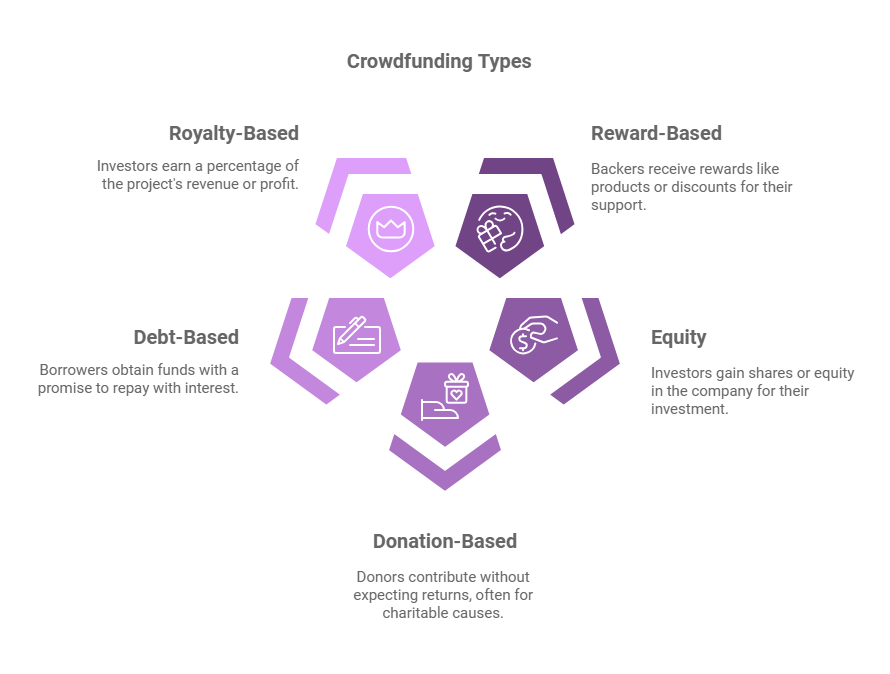
- Reward-Based Crowdfunding: Backers contribute funds in exchange for rewards, such as the product itself, discounts, or exclusive merchandise.
- Equity Crowdfunding: Investors receive shares or equity in the company in exchange for their investment.
- Donation-Based Crowdfunding: Typically used by non-profits or for charitable causes where backers donate without expecting anything in return.
- Debt-Based Crowdfunding (Peer-to-Peer Lending): Borrowers receive funds from backers with the agreement to repay with interest.
- Royalty-Based Crowdfunding: Investors receive a percentage of revenue or profit generated by the project.
Each type of crowdfunding serves different needs and attracts different types of backers.
The Psychology Behind Crowdfunding
Understanding the motivations behind why people contribute to crowdfunding campaigns can enhance your strategy.
Altruism and Social Good
Many backers are motivated by the desire to support causes they believe in. Emphasizing the social impact of your product or service can attract altruistic contributors.
Desire for Innovation
Early adopters are excited by new and innovative ideas. Highlighting the uniqueness and cutting-edge aspects of your project can appeal to this group.
Community and Belonging
Backers often feel a sense of community when they support a project. Creating opportunities for interaction and feedback can strengthen this connection.
Rewards and Incentives
Attractive rewards at various contribution levels can incentivize people to back your campaign. Limited edition items or exclusive access can enhance appeal.
Why Choose Crowdfunding for Your Launch?
Choosing crowdfunding for launching a new product or service offers several unique advantages that traditional funding methods may not provide.
Market Validation
Crowdfunding allows you to test your product idea before fully committing resources. A successful campaign indicates strong market demand, reducing the risk associated with product development.
- Real-Time Feedback: Backers can provide immediate input on features and designs.
- Data Collection: Gather valuable data on customer preferences and demographics.
Community Building
Engaging with backers through crowdfunding helps create a loyal customer base even before your product hits the market. These early adopters can become brand ambassadors, promoting your product through word-of-mouth.
- Brand Loyalty: Early supporters often feel personally invested in your success.
- Networking Opportunities: Connect with like-minded individuals and potential partners.
Creative Freedom
Unlike traditional investors, crowdfunding backers support your vision without exerting creative control. This freedom allows you to stay true to your original concept.
- Autonomy: Maintain control over decision-making processes.
- Authenticity: Preserve the integrity of your brand and mission.
Financial Support
With the right pitch, you can secure the necessary funds to develop and launch your product without incurring debt or giving up equity.
- Debt-Free Capital: Avoid loans and interest payments.
- Flexible Funding Options: Some platforms offer all-or-nothing or flexible funding models.
Planning a Successful Crowdfunding Campaign
A well-planned crowdfunding campaign is the cornerstone of success. Here are the essential steps to ensure your campaign stands out.
Define Clear Goals
Set realistic funding targets and a timeline. Understand the costs involved, from production to marketing, and factor in platform fees and taxes. Clearly defined goals help in creating a focused campaign strategy.
- Specific Objectives: Outline what the funds will be used for.
- Milestones: Break down the project into achievable phases.
Choose the Right Platform
Selecting the appropriate crowdfunding platform is crucial. Evaluate platforms based on their audience, fees, and rules.
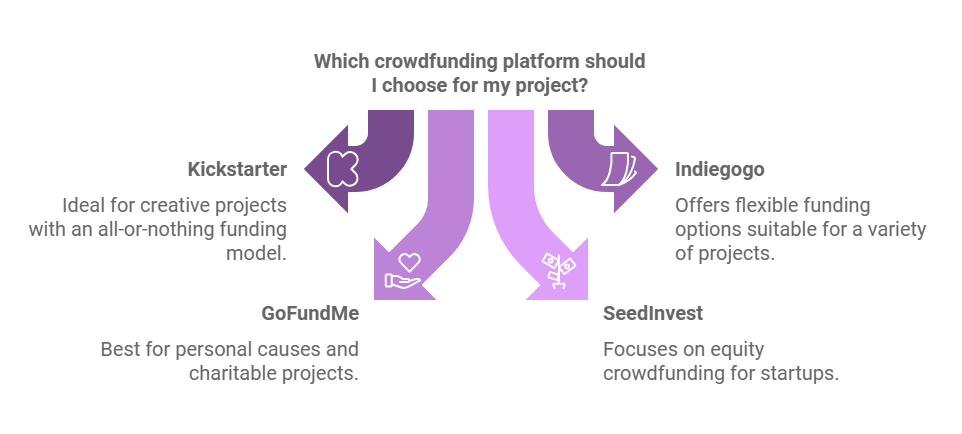
- Kickstarter: Ideal for creative projects with an all-or-nothing funding model.
- Indiegogo: Offers flexible funding options suitable for a variety of projects.
- GoFundMe: Best for personal causes and charitable projects.
- SeedInvest: Focuses on equity crowdfunding for startups.
- Crowdfunder: Targets businesses seeking equity investment.
Research each platform’s strengths to align them with your project’s needs.
Craft a Compelling Pitch
Your pitch is your chance to make a strong first impression.
- Storytelling: Share your journey and the problem your product solves. Personal stories resonate with backers.
- Visuals: Use high-quality images and videos to showcase your product. Visual content increases engagement.
- Rewards: Offer attractive perks for different contribution levels. Early bird specials can incentivize prompt backing.
- Call to Action: Clearly state what you want your audience to do.
Build an Audience Before Launch
Generate excitement before your campaign goes live.
- Email Campaigns: Collect emails through a landing page to keep potential backers informed.
- Social Media: Use platforms like Facebook, Instagram, Twitter, and LinkedIn to build a following.
- Teasers: Release sneak peeks or behind-the-scenes content to pique interest.
- Press Outreach: Engage with bloggers and journalists who can feature your story.
Engage Your Backers
Communication is key throughout your crowdfunding campaign.
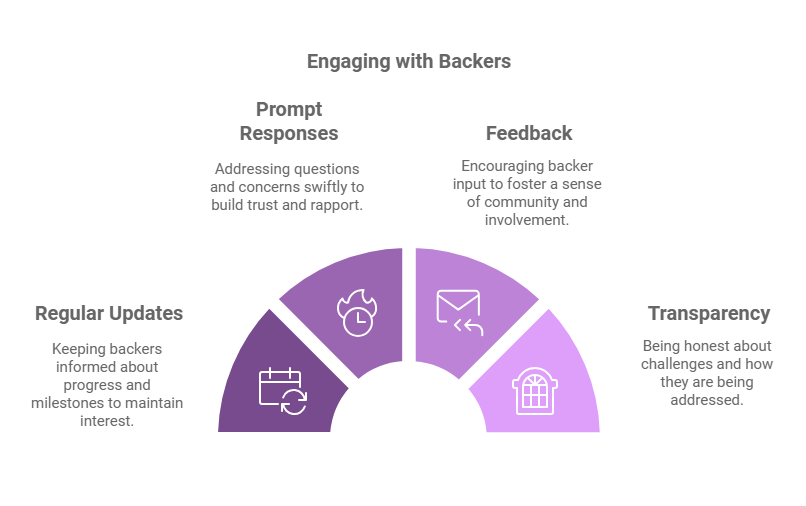
- Regular Updates: Keep backers informed about progress and milestones.
- Prompt Responses: Address questions and concerns swiftly to build trust.
- Feedback: Encourage backer input to foster a sense of community.
- Transparency: Be honest about challenges and how you’re addressing them.
Marketing Strategies for Crowdfunding
Effective marketing can make or break your crowdfunding campaign.
Utilize SEO to Drive Traffic
Optimize your campaign page and promotional content with relevant keywords.
- Keyword Research: Identify keywords that your target audience is searching for, such as “innovative tech gadgets” or “eco-friendly lifestyle products.”
- Content Marketing: Create blog posts, articles, and press releases to improve search engine rankings.
- Meta Descriptions: Use compelling meta descriptions to increase click-through rates.
- Backlinks: Encourage reputable sites to link to your campaign.
Leverage Social Media Influencers
Collaborate with influencers who align with your brand.
- Product Reviews: Send prototypes to influencers for review.
- Sponsored Posts: Invest in sponsored content to reach a wider audience.
- Hashtag Campaigns: Create unique hashtags to increase visibility.
- User-Generated Content: Encourage followers to share their own content related to your product.
Email Marketing
Email remains one of the most effective marketing channels.
- Newsletter Updates: Keep subscribers engaged with regular updates.
- Call-to-Action: Include clear CTAs in your emails to encourage backing.
- Personalization: Segment your email list to send targeted messages.
- Automation: Use email marketing tools to schedule and manage campaigns.
Paid Advertising
Consider investing in paid ads for broader reach.
- Social Media Ads: Use Facebook, Instagram, Twitter, and LinkedIn ads to target specific demographics.
- Google AdWords: Bid on keywords relevant to your campaign.
- Retargeting: Reach people who have shown interest but haven’t backed yet.
- Ad Optimization: Continuously monitor and adjust your ad strategies for better ROI.
Public Relations
Gaining media coverage can significantly boost your campaign.
- Press Releases: Distribute press releases to announce your campaign.
- Media Outreach: Pitch your story to journalists and publications.
- Interviews and Podcasts: Appear on relevant shows to discuss your project.
Engaging with Your Backers
Building a strong relationship with your backers is essential for the longevity of your product or service.
Transparency
Be open about challenges and setbacks.
- Honesty: If delays occur, inform your backers promptly.
- Detailed Updates: Provide in-depth information about progress.
- Financial Transparency: Show how funds are being allocated.
Appreciation
Show gratitude to your supporters.
- Thank You Messages: Send personalized messages to backers.
- Exclusive Content: Offer backers access to exclusive updates or content.
- Recognition: Acknowledge top backers publicly if appropriate.
Community Building
Create spaces for backers to interact.
- Forums or Groups: Set up online communities for discussion.
- Live Q&A Sessions: Host live sessions to answer questions.
- Surveys and Polls: Involve backers in decision-making processes.
Delivering on Promises
Meeting or exceeding expectations strengthens trust.
- Quality Assurance: Ensure your product meets high standards.
- Timely Delivery: Stick to your promised timelines as closely as possible.
- Customer Support: Provide ongoing support after delivery.
Post-Campaign Strategies
Your crowdfunding campaign doesn’t end once you’ve met your goal.
Fulfillment
Ensure that you deliver on your promises.
- Production Planning: Coordinate with manufacturers early.
- Quality Control: Maintain high standards to meet backer expectations.
- Shipping Logistics: Plan for international shipping and customs.
- Fulfillment Partners: Consider using professional fulfillment services.
Continued Engagement
Keep the momentum going.
- Late Pledges: Allow new backers to contribute even after the campaign ends.
- Updates: Share milestones, such as production completion or product launch.
- Future Products: Inform backers about upcoming projects.
- Loyalty Programs: Offer exclusive deals to early supporters.
Leverage Success for Further Growth
Use your crowdfunding success as a springboard.
- Media Coverage: Reach out to press outlets with your success story.
- Investor Interest: Attract potential investors by showcasing your proven demand.
- Retail Opportunities: Explore partnerships with retailers.
- Scaling: Plan for business expansion based on demand.
Challenges of Crowdfunding and How to Overcome Them
While crowdfunding offers many benefits, it’s not without challenges.
Competition
Thousands of projects vie for attention on crowdfunding platforms.
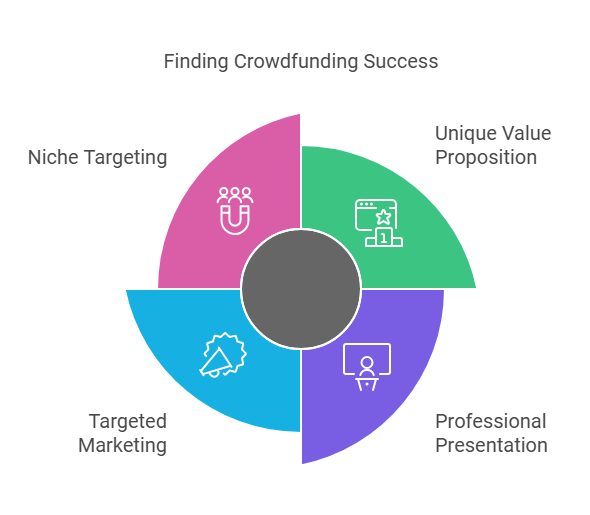
- Unique Value Proposition: Clearly articulate what sets your product apart.
- Professional Presentation: Invest in high-quality visuals and a polished campaign page.
- Targeted Marketing: Focus on reaching the most relevant audience.
- Niche Targeting: Identify and appeal to a specific niche market.
Time and Effort
Running a crowdfunding campaign is time-consuming.
- Team Delegation: Assign roles to team members for efficiency.
- Automation Tools: Use tools for social media scheduling and email marketing.
- Time Management: Create a detailed timeline with milestones.
- Outsourcing: Consider hiring freelancers for specialized tasks.
Fulfillment Issues
Delivering on promises can be challenging.
- Realistic Timelines: Set achievable deadlines.
- Contingency Plans: Prepare for potential setbacks in production or shipping.
- Professional Partnerships: Work with reliable manufacturers and logistics providers.
- Inventory Management: Keep track of stock levels to avoid shortages.
Legal and Regulatory Considerations
Navigating the legal landscape is essential.
- Intellectual Property: Protect your ideas with patents or trademarks.
- Compliance: Ensure your campaign adheres to platform rules and local laws.
- Contracts: Use clear agreements with suppliers and partners.
- Regulatory Changes: Stay informed about changes in crowdfunding regulations.
Backer Trust and Reputation
Maintaining credibility is crucial.
- Consistency: Deliver consistent messaging and branding.
- Ethical Practices: Avoid misleading information or exaggerations.
- Conflict Resolution: Address disputes professionally and promptly.
Legal and Regulatory Considerations
Understanding the legal aspects of crowdfunding is crucial to avoid pitfalls.
Platform Terms and Conditions
Each crowdfunding platform has its own set of rules.
- Eligibility: Verify if your project meets the platform’s criteria.
- Prohibited Items: Ensure your product doesn’t fall under restricted categories.
- Fee Structure: Understand the fees associated with the platform.
- Intellectual Property Policies: Know how the platform handles IP issues.
Securities Regulations
For equity crowdfunding campaigns:
- Accredited Investors: Know who is legally allowed to invest.
- Disclosure Requirements: Provide necessary financial and business information.
- Compliance: Adhere to regulations like the JOBS Act in the United States.
- Legal Counsel: Consult with a lawyer experienced in securities law.
Tax Implications
Funds raised through crowdfunding may be taxable.
- Consult a Tax Professional: Get advice on how to handle funds.
- Record Keeping: Maintain detailed financial records.
- Sales Tax: Understand if you need to collect sales tax on rewards.
International Considerations
If you’re accepting funds or shipping products internationally:
- Customs Regulations: Be aware of import/export laws.
- Currency Exchange: Consider the impact of exchange rates.
- International Taxes: Understand VAT and other international tax obligations.
Case Studies: Crowdfunding Success Stories
Learning from successful crowdfunding campaigns can provide valuable insights.
Pebble Smartwatch
- Raised: Over $20 million on Kickstarter.
- Strategy: Offered an innovative product with a clear value proposition.
- Takeaway: Demonstrated massive demand for wearable tech, proving that a strong product can achieve unprecedented success.
Exploding Kittens
- Raised: $8.7 million for a card game.
- Strategy: Leveraged humor and a quirky premise to engage backers.
- Takeaway: Showed the power of niche markets and the importance of entertainment value.
Oculus Rift
- Raised: $2.4 million before being acquired by Facebook.
- Strategy: Pioneered virtual reality technology with a passionate community.
- Takeaway: Illustrated how crowdfunding can attract major investors and lead to significant business opportunities.
The Coolest Cooler
- Raised: Over $13 million for a cooler with built-in gadgets.
- Strategy: Combined a familiar product with innovative features.
- Takeaway: Reinventing everyday items can capture the public’s imagination.
Flow Hive
- Raised: Over $12 million for a new beekeeping system.
- Strategy: Addressed a specific problem with a sustainable solution.
- Takeaway: Solving real-world problems can lead to massive support.
Common Mistakes to Avoid
Avoid these pitfalls to ensure your crowdfunding campaign runs smoothly.
Underestimating Costs
Failing to account for all expenses can lead to financial shortfalls.
- Comprehensive Budgeting: Include production, marketing, shipping, and taxes.
- Buffer Funds: Set aside extra funds for unforeseen expenses.
- Currency Fluctuations: Consider the impact of exchange rates if dealing internationally.
Poor Communication
Lack of updates can erode backer trust.
- Regular Updates: Stick to a communication schedule.
- Transparency: Be honest about challenges.
- Backer Feedback: Actively seek and respond to backer input.
Inadequate Marketing
Assuming that backers will find you organically is a mistake.
- Marketing Plan: Develop a detailed strategy before launching.
- Cross-Promotion: Collaborate with others to expand reach.
- Neglecting SEO: Ignoring search optimization can limit visibility.
Overpromising
Making promises you can’t keep can damage your reputation.
- Set Realistic Goals: Only commit to what you can deliver.
- Manage Expectations: Be clear about what backers will receive and when.
- Avoid Feature Creep: Stick to your original plan to prevent delays.
Ignoring Legal Obligations
Failure to comply with laws and regulations can have serious consequences.
- Legal Consultation: Seek professional advice.
- Regulatory Compliance: Ensure all aspects of your campaign are legal.
- Intellectual Property: Protect your assets and respect others’.
Emerging Trends in Crowdfunding
Staying abreast of current trends can give your campaign an edge.
Niche Platforms
Specialized crowdfunding platforms are emerging to cater to specific industries.
- Real Estate Crowdfunding: Platforms like Fundrise focus on property investments.
- Social Causes: Sites like StartSomeGood emphasize social entrepreneurship.
Blockchain and Cryptocurrency
Blockchain technology is influencing crowdfunding.
- Initial Coin Offerings (ICOs): Raising funds through cryptocurrency tokens.
- Security Token Offerings (STOs): Offering regulated digital securities.
Subscription-Based Models
Platforms like Patreon allow creators to receive ongoing support.
- Recurring Funding: Secure a steady income stream.
- Community Engagement: Foster deeper connections with supporters.
Virtual Reality and Augmented Reality
Using VR and AR to enhance campaign presentations.
- Immersive Experiences: Provide backers with interactive previews.
- Enhanced Storytelling: Make pitches more engaging.
Data Analytics
Leveraging data to optimize campaigns.
- Targeted Marketing: Use analytics to refine audience targeting.
- Performance Tracking: Monitor campaign metrics in real-time.
Is Crowdfunding Right for You?
While crowdfunding is transformative, it’s not a one-size-fits-all solution.
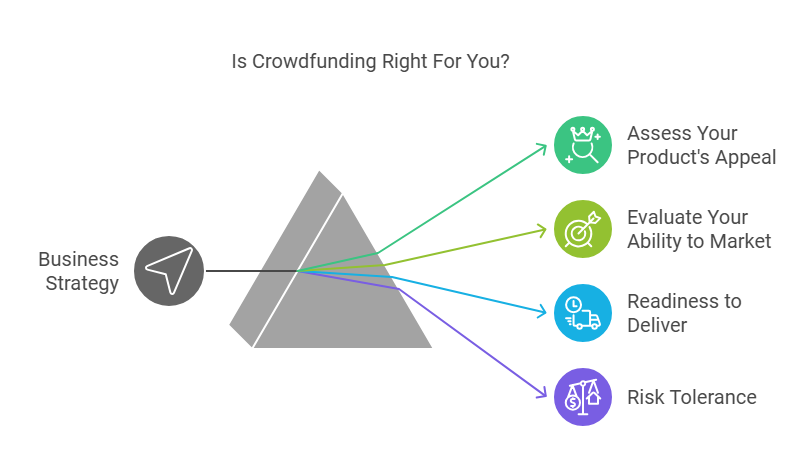
Assess Your Product’s Appeal
- Market Research: Determine if there’s demand for your product.
- Competitive Analysis: Understand your competitors and how you differ.
- Unique Selling Proposition: Identify what makes your product stand out.
Evaluate Your Ability to Market
- Resources: Do you have the time and skills needed?
- Team: Can you assemble a team to support the campaign?
- Budget: Allocate funds for marketing efforts.
Readiness to Deliver
- Production Plan: Is your product ready for manufacturing?
- Logistics: Can you handle shipping and fulfillment?
- Supplier Relationships: Have you established reliable partnerships?
Risk Tolerance
- Potential Challenges: Are you prepared to handle obstacles?
- Contingency Plans: Do you have backup strategies?
If you’re prepared to invest time and effort, the rewards of crowdfunding can far outweigh the risks.
Final Thoughts
Crowdfunding is not merely about raising money; it’s about building a movement. By leveraging crowdfunding, you can secure funding, validate your idea, and create a loyal customer base. With the right strategy, your product or service launch can be a resounding success.
Embarking on a crowdfunding journey requires careful planning, relentless marketing, and genuine engagement with your audience. But the payoff is more than just financial support—it’s the creation of a community around your vision.
Whether you’re a seasoned entrepreneur or a first-time creator, crowdfunding offers a unique opportunity to bring your ideas to life. So take the leap, share your vision with the world, and let crowdfunding propel you to new heights.
By following this guide and leveraging the power of crowdfunding, you’re well on your way to turning your innovative ideas into reality. Remember, the heart of crowdfunding lies in the crowd—engage them, inspire them, and together, you’ll make something extraordinary.
Final Tips:
- Stay Persistent: Not every campaign succeeds on the first try. Learn from setbacks and refine your approach.
- Network: Connect with other creators for support and advice.
- Enjoy the Journey: Crowdfunding can be a rewarding experience beyond the funds raised.

Check these out for more information:
- Get Backed: Craft Your Story, Build the Perfect Pitch Deck, and Launch the Venture of Your Dreams by Evan Baehr and Evan Loomis
- Crowdfunded: The Proven Path To Bring Your Product Idea To Life by Mark Pecota
- Podcast: Crowdfunding Nerds
- Podcast: Masters of Crowdfunding: A LaunchBoom Production
- To find possible funding options don’t forget to checkout our Marketplace here on SparkUpBiz!
