

The Micro-Influencer Revolution
What if the secret to growing your business didn’t lie in expensive celebrity endorsements but in the hands of everyday people, micro-influencers, with a loyal, niche audience? Enter the micro-influencer, a marketing game-changer reshaping the way brands connect with their customers. Micro-influencers have emerged as the modern solution for businesses aiming to create authentic, relatable, and meaningful relationships with their audience in an increasingly skeptical and ad-fatigued market.
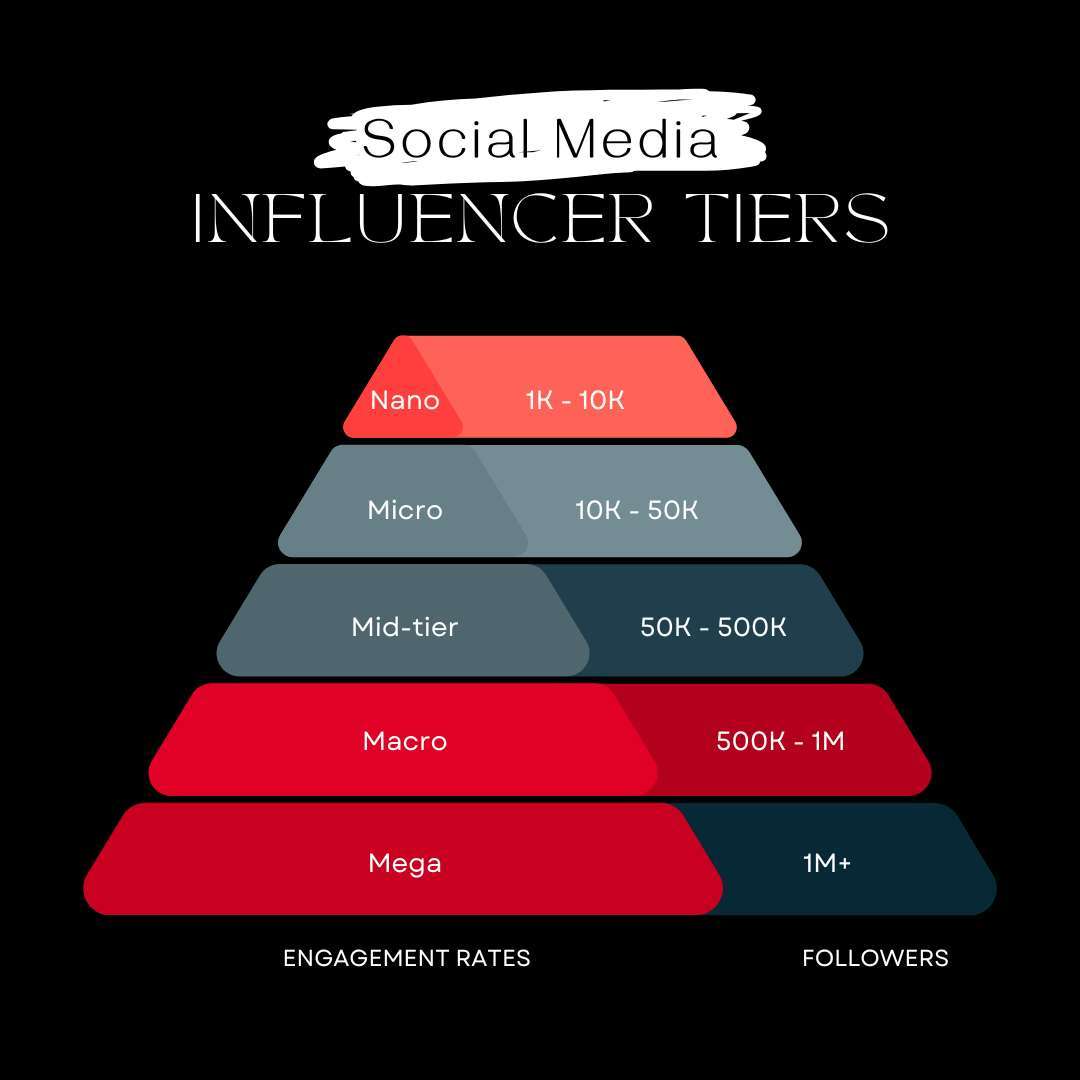
Micro-influencers, defined as individuals with followings between 1,000 and 100,000, excel by cultivating trust and connection within specialized communities. Their value lies not in their reach alone but in their ability to generate engagement, foster credibility, and deliver targeted results. This article dives deep into what makes micro-influencers so effective, explores their transformative power across industries, and provides actionable strategies for leveraging their potential.
What Is a Micro-Influencer?
A micro-influencer is more than just a social media user with a moderate following. These individuals are often seen as trusted authorities or relatable peers within specific niches. Unlike mega-influencers or celebrities, whose audiences may be broad but less engaged, influencers thrive on creating genuine, two-way relationships with their followers.
Characteristics of Micro-Influencers:
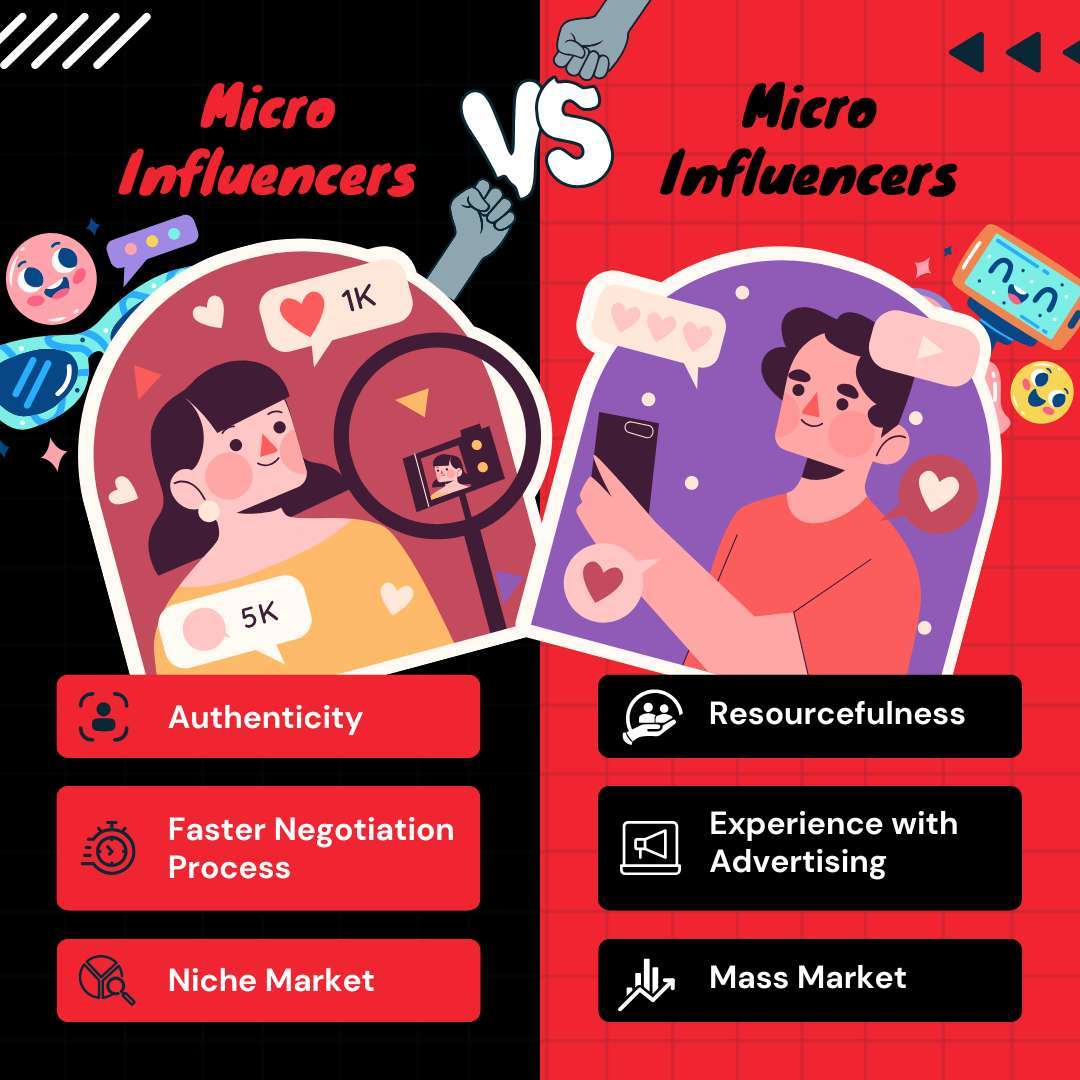
- Niche Focus: Micro-influencers are specialists, whether in fitness, parenting, DIY crafts, or vegan cooking. Their expertise in a particular area allows them to cater to a well-defined audience that values their opinions.
- Authenticity: Their content feels organic and relatable. They share their personal experiences, challenges, and triumphs, making them approachable and trustworthy.
- Higher Engagement Rates: Unlike celebrities with millions of followers, influencers often enjoy higher engagement rates because their smaller audience feels more connected and loyal.
- Community Leaders: Micro-influencers actively interact with their followers through comments, direct messages, and live streams. This two-way communication fosters a sense of community that mega-influencers often lack.
Micro-influencers have become critical to modern marketing strategies because they represent a shift from aspirational advertising to relatable storytelling.
Why Consumers Trust Influencers
One of the main reasons influencers are so effective is their ability to build trust. Modern consumers are savvy; they recognize when they’re being sold to and often resist traditional advertising methods. Micro-influencers, however, bridge the gap by providing authentic endorsements that feel more like friendly advice than a sales pitch.
Relatability and Accessibility
Unlike mega-influencers or celebrities, whose lifestyles may seem out of reach, influencers live lives that resemble their followers’. A fitness enthusiast sharing affordable home workout tips or a beauty blogger reviewing drugstore makeup feels attainable and genuine.
Authenticity in Content
Micro-influencers often share real-life experiences and challenges. For example, a parenting influencer might document their journey using a baby product in their daily routine. This kind of content resonates deeply because it’s honest, unpolished, and relatable.
Peer Recommendation vs. Advertising
According to Nielsen, 92% of consumers trust peer recommendations over traditional advertisements. Micro-influencers function as trusted peers, making their endorsements significantly more effective than a brand’s direct messaging.
Why Micro-Influencers Drive Business Growth
Businesses are increasingly shifting their marketing budgets toward influencers, and for good reason. Their unique strengths make them invaluable for brands of all sizes. Let’s explore the key ways in which micro-influencers fuel growth.
1. Higher Engagement Rates
Engagement is a critical metric in digital marketing, and micro-influencers consistently outperform larger influencers in this area. A smaller audience often means more meaningful interactions—followers who actively comment, ask questions, and share content. For businesses, these high engagement rates translate into better visibility and more effective conversions.
Why Engagement Matters:
- Algorithm Visibility: Social media platforms prioritize content with high engagement, increasing its reach.
- Audience Feedback: Engagement offers valuable insights into customer preferences and opinions.
- Stronger ROI: An engaged audience is more likely to act on recommendations, whether it’s making a purchase, visiting a website, or sharing content.
2. Cost-Effectiveness
For businesses with limited budgets, influencers offer an affordable alternative to traditional advertising or celebrity endorsements. While a mega-influencer may charge tens of thousands of dollars per post, micro-influencers typically charge much less—often in exchange for free products or modest fees.
Examples of Cost-Effectiveness:
- Startups: A small skincare brand can collaborate with 10 micro-influencers for the cost of a single post by a celebrity influencer.
- Trackable Results: Many influencers are open to performance-based collaborations, such as affiliate links or sales commissions, ensuring brands only pay for measurable results.
3. Niche Market Penetration
Micro-influencers excel at reaching niche audiences. Their specialized content allows brands to connect with specific demographics that traditional advertising might miss.
Real-World Examples:
- Sustainable Fashion: Collaborating with eco-conscious influencers to target environmentally aware consumers.
- Gaming Gear: Partnering with gaming influencers who cater to a dedicated gamer audience.
- Local Businesses: Engaging local food bloggers to promote a new restaurant or café.
4. Authenticity and Trust
Trust is one of the most valuable currencies in marketing. Micro-influencers bring a level of credibility that’s hard for brands to achieve on their own. When an influencer recommends a product, their audience sees it as a genuine endorsement rather than a paid promotion.
Case Studies: Micro-Influencers in Action
Micro-influencers have proven their worth across industries, delivering impressive results for both global brands and small businesses. Here are a few success stories that highlight their impact.
1. Daniel Wellington’s Rise
The Swedish watch brand built its empire by leveraging thousands of micro-influencers on Instagram. By gifting influencers watches and providing unique discount codes, the brand generated massive buzz and achieved a valuation of $220 million within five years.
2. Glossier’s Grassroots Growth
Beauty brand Glossier prioritized influencers and everyday consumers over traditional celebrity endorsements. The brand encouraged authentic product reviews, leading to a devoted customer base and a valuation exceeding $1 billion.
3. Local Restaurant Boom
A family-owned pizzeria in Brooklyn partnered with food bloggers and local influencers to showcase their unique menu items. The campaign doubled their weekend reservations and demonstrated the power of micro-influencers in driving foot traffic for local businesses.
Strategies for Finding and Partnering with Micro-Influencers
Finding the right micro-influencers is essential for the success of your campaign. Here’s how to identify and collaborate with the best ones for your brand.
1. Use Influencer Discovery Tools
Platforms like Upfluence, AspireIQ, and HypeAuditor simplify the process of finding influencers. These tools allow you to filter influencers based on niche, audience demographics, engagement rates, and more.
2. Prioritize Engagement Over Follower Count
A large following doesn’t guarantee results. Instead, focus on influencers with high engagement rates and meaningful interactions with their audience.
3. Ensure Brand Alignment
Look for influencers whose values and content style align with your brand. For example, a fitness brand should collaborate with influencers who promote healthy lifestyles and fitness routines.
4. Evaluate Authenticity
Scrutinize potential influencers for fake followers or bot activity. Tools like Social Blade can help assess an influencer’s audience quality.
5. Build Relationships
Developing a long-term partnership with micro-influencers can yield better results than one-off campaigns. These ongoing relationships build trust and ensure consistent visibility.
Advanced Tactics for Influencer Campaigns
To make the most of your collaborations, employ advanced strategies that amplify results.
1. Create Co-Branded Content
Involve micro-influencers in co-creating content, such as product design, tutorials, or exclusive campaigns. This approach fosters a sense of ownership and authenticity.
2. Leverage Multiple Platforms
Encourage micro-influencers to share content across various platforms—Instagram, TikTok, YouTube, or even LinkedIn—maximizing reach and engagement.
3. Host Exclusive Events
Invite influencers to brand events, such as product launches or workshops. These events not only generate buzz but also deepen the influencers’ connection to your brand.
4. Offer Unique Incentives
Provide exclusive discount codes, early access to products, or affiliate commissions to incentivize influencers and track campaign success.
5. Use Data Analytics
Measure the success of your campaigns using tools like Google Analytics, UTM codes, or influencer marketing platforms. Analyze metrics like click-through rates, conversions, and ROI to refine your strategy.
Future Trends in Influencer Marketing
As the digital landscape evolves, micro-influencer marketing continues to grow and adapt. Here’s what to expect in the coming years:
1. Rise of Nano-Influencers
Nano-influencers, with fewer than 10,000 followers, are gaining traction for their hyper-targeted audiences and even higher engagement rates.
2. Integration with E-Commerce
Social media platforms like Instagram and TikTok are enhancing their shopping features, making it easier for influencers to drive direct sales through shoppable content.
3. Focus on Sustainability
Consumers increasingly value eco-friendly practices, and influencers who promote sustainability will play a pivotal role in shaping consumer behavior.
4. AI and Automation
Artificial intelligence is streamlining influencer discovery, campaign management, and ROI tracking, making it easier for brands to execute effective strategies.
The Future Belongs to Micro-Influencers
Micro-influencers represent the future of marketing, offering brands an unparalleled combination of authenticity, engagement, and niche expertise. By fostering genuine relationships and leveraging their influence in meaningful ways, businesses can achieve greater trust, visibility, and growth.
Whether you’re a global brand or a local business, micro-influencers have the power to revolutionize your marketing strategy. The time to invest in these authentic voices is now—because in the world of digital marketing, relatability and trust are everything. Are you ready to embrace the micro-influencer revolution?

Check out these resources:
- Mentioned in the article, check out these services:
- The Influencer Code: How to Unlock the Power of Influencer Marketing by Amanda Russel
- Don’t forget to check the Marketplace here on SparkUpBiz to see if there is someone that can help you!
