
Why Winter is the Perfect Time for online Networking
As the year draws to a close and a new one begins, the world of professional connections takes on a unique and vibrant energy. December and January are prime months for online networking, both because they coincide with the reflective end-of-year mood and because they mark the ambitious beginning of new endeavors. Online networking events in these months bring together professionals from all corners of the globe, united by the shared goal of growth and collaboration.
But online networking isn’t just about meeting people—it’s about creating opportunities. Whether you’re a seasoned professional, a startup founder, or someone seeking a career transition, this guide will provide you with the tools and strategies to make the most of online networking events in December and January.
Why Networking During the Winter Months is Strategic
1. Planning for the Future
At the end of the year, professionals and organizations focus on setting goals and strategies for the coming year. This creates a natural environment for conversations about opportunities, partnerships, and collaborations.
- Case in Point: A marketing consultant may join a year-end online networking summit to pitch their services to companies planning campaigns for the upcoming fiscal year. These moments are ripe for meaningful discussions that lead to contracts and projects.
2. Reflection on the Year’s Achievements
Many businesses host wrap-up events in December to share annual successes, lessons learned, and key milestones. For attendees, this is an opportunity to learn from others’ experiences and to share your own achievements to attract collaborators or clients.
3. Expanded Availability
Professionals often have slightly more flexible schedules in December and January, particularly around the holiday season. This flexibility means that key decision-makers may have more bandwidth to engage in online networking conversations than during busier times of the year.
4. Fresh Starts and Ambitions
January, synonymous with fresh starts, inspires goal setting and proactive efforts to advance careers or grow businesses. Participating in online networking events during this month allows you to tap into this energy and position yourself as a proactive and forward-thinking professional.
Online Networking: A Transformative Medium
The rise of online networking events has permanently changed the landscape. These events offer unparalleled access to industry leaders and diverse communities without the constraints of geography or cost.
Benefits of Online Networking
- Accessibility: Attend global events without leaving your home.
- Cost-Effectiveness: Save on travel and accommodation expenses.
- Flexible Scheduling: Join events that fit seamlessly into your routine.
- Broader Reach: Interact with attendees from diverse professional backgrounds.
How Online Networking Differs from In-Person Events
While online networking events lack the immediacy of face-to-face interactions, they make up for it by offering structured formats like breakout rooms, moderated discussions, and real-time chats. They also provide digital tools for tracking connections, downloading resources, and following up with contacts.
Essential Strategies for Successful Virtual Networking
To excel in the virtual networking space, preparation and strategy are critical. Here’s how to ensure your efforts translate into meaningful connections:
1. Pre-Event Preparation
Preparation sets the foundation for success.
- Set Clear Goals: Determine what you want to achieve from the event—new clients, partnerships, mentorship, or knowledge.
- Research Attendees: Many events provide attendee lists or speaker profiles in advance. Use this information to identify key people you want to connect with.
- Optimize Your Digital Presence:
- Update your LinkedIn profile with recent achievements, projects, or accolades.
- Create a professional email signature with links to your portfolio, website, or LinkedIn.
- Prepare a professional headshot and bio to use if the event requires an attendee profile.
2. Crafting a Memorable Elevator Pitch
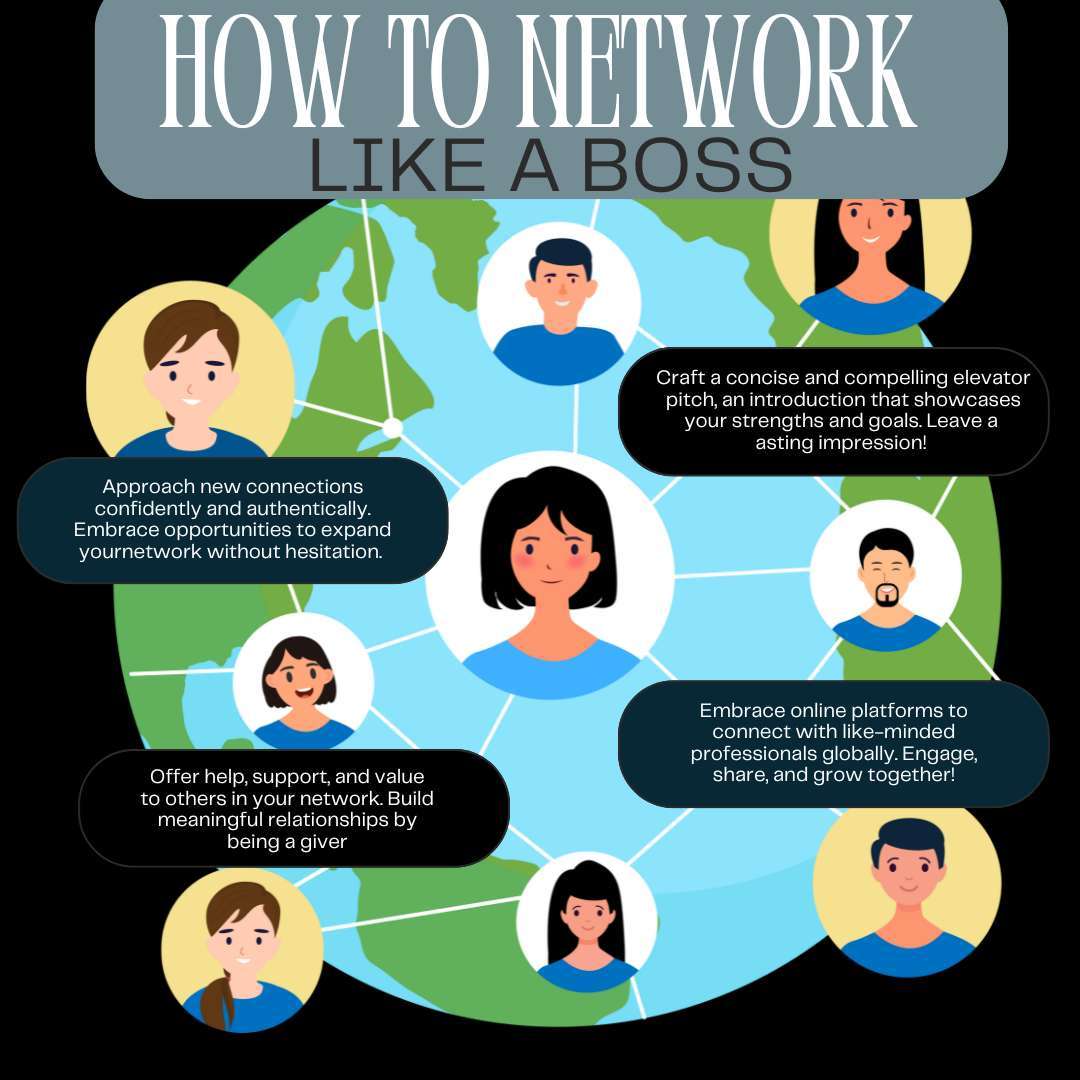
Your elevator pitch is a concise, impactful introduction that conveys who you are, what you do, and what you’re seeking.
- Structure:
- State your name and role.
- Highlight your unique skills or expertise.
- Mention what you’re looking for (e.g., opportunities, collaborators, insights).
- Example: “Hi, I’m Sarah, a data analyst specializing in predictive modeling. I’m passionate about using AI to solve business challenges. I’m here to connect with others working on innovative AI applications.”
3. Active Engagement During the Event
Maximizing your presence during the event is essential to standing out.
- Be Present and Attentive: Keep your camera on and make direct eye contact with the screen to simulate in-person engagement.
- Leverage Chat Features: Share thoughtful comments or questions in chatrooms to highlight your expertise and engage with speakers and other attendees.
- Participate in Breakout Sessions: These smaller, more intimate sessions often yield stronger connections.
4. Strategic Follow-Up
Networking doesn’t end when the event does. Effective follow-up solidifies your connections.
- Send Personalized Messages: Reference specific discussions or shared interests when reaching out.
- Offer Value: Share an article, tool, or resource relevant to the conversation you had with the person.
- Maintain Long-Term Engagement: Schedule periodic check-ins or send updates on mutual interests.
The Role of Technology in Enhancing Virtual Networking
Digital tools and platforms play a crucial role in optimizing your virtual networking efforts. Here are the key technologies you should leverage:
1. Video Conferencing Platforms
- Zoom: Known for its user-friendly interface and breakout room capabilities.
- Microsoft Teams: Ideal for professional collaboration and integration with other Microsoft Office tools.
- Google Meet: Simple and accessible, especially for smaller meetings.
2. Networking Platforms
- SPARKUPBIZ.COM!: We think we have some awesome opportunities. Check out the LIVE chat rooms in the Groups. Also, check out our Events Calendars! We’ve got networking opportunities daily!
- Hopin: Perfect for virtual conferences with diverse networking features.
- Remo: Mimics in-person networking with table-based interactions.
3. Digital Note-Taking Tools
- Evernote: Capture event insights, action items, and contact details in one place.
- Notion: Ideal for organizing notes, resources, and follow-up tasks.
Creating a Long-Lasting Impression
Virtual events might be fleeting, but the connections you make don’t have to be. Here’s how to leave a lasting impact:
- Consistency is Key: Follow up promptly and maintain communication through periodic messages or shared content.
- Demonstrate Value: Share resources, insights, or introductions that benefit your connections.
- Build a Personal Brand: Engage in thought leadership by sharing insights on LinkedIn or other professional platforms.
Case Studies: Networking Success Stories
Case Study 1: Building an International Team
- Background: A freelance graphic designer attended a virtual global creative summit in January.
- Challenge: The designer wanted to expand her client base internationally but lacked direct connections.
- Outcome: After engaging actively in breakout rooms and sharing her portfolio, she secured three international clients within two months.
Case Study 2: Startup Partnership Formation
- Background: A tech startup founder attended a virtual AI conference in December.
- Challenge: The founder needed a strategic partner for an upcoming product launch.
- Outcome: Through a structured networking session, the founder met a potential partner who later became an investor.
Avoiding Common Pitfalls in Virtual Networking
- Lack of Preparation: Joining without a clear goal or understanding of the event’s focus.
- Over-Promotion: Constantly pitching yourself instead of fostering genuine conversations.
- Failure to Follow Up: Missing the opportunity to build on initial connections.
- Ignoring Technical Aspects: Neglecting to test your microphone, camera, and internet before the event.
The Future of Networking is Now
Networking during December and January isn’t just about expanding your contacts—it’s about leveraging the energy of a transitional period to set yourself up for long-term success. By approaching virtual networking with preparation, engagement, and strategic follow-up, you can transform fleeting interactions into meaningful professional relationships.
Take action now by identifying upcoming virtual events, refining your digital presence, and building your networking strategy. Your next big opportunity is only a connection away.

- The Introvert’s Edge to Networking: Work the Room. Leverage Social Media. Develop Powerful Connections (The Introvert’s Edge Series) by Matthew Pollard
- Tell to Win: Connect, Persuade, and Triumph with the Hidden Power of Story by Peter Guber
- Also check out our Networking 101 course in the Academy!
